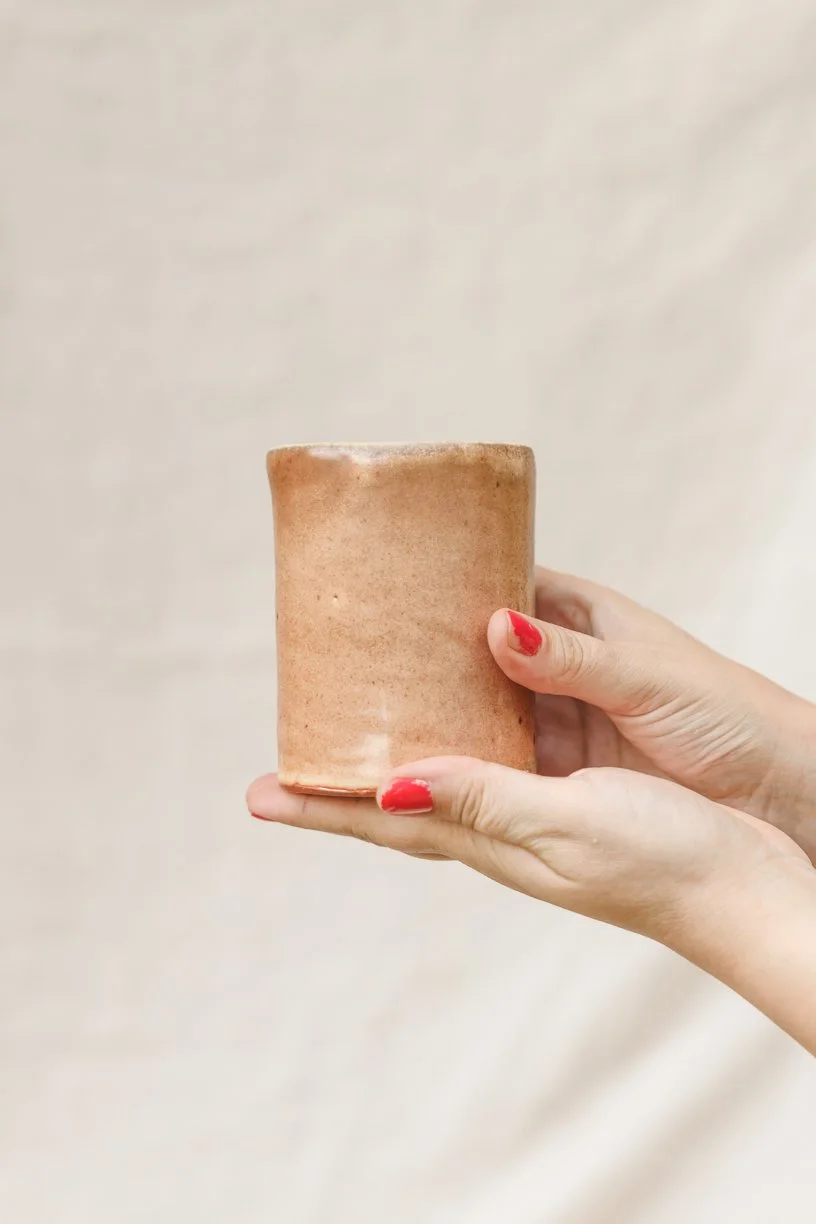
Stephen Driver: Anagama Kiln Firing
Deep in the Arkansas Ozarks, a small group of potters gather each year to fire their clay creations in Stephen Driver’s hand-built, wood-burning kiln. I was invited to photograph this year’s event to document the days-long process of filling, firing, and final reveal of the artists’ finished work.
The following images were captured over three visits during the 2026 kiln firing and accompany writer Stephanie Smittle’s story “Playing Tetris with Fire” for the Arkansas Times September 2026 issue.
To help give context to the photos, some of the words and quotes below were taken or paraphrased from the Little Mulberry Gallery website, Stephanie’s article, and from the Arkansas Heritage website.
The Kiln
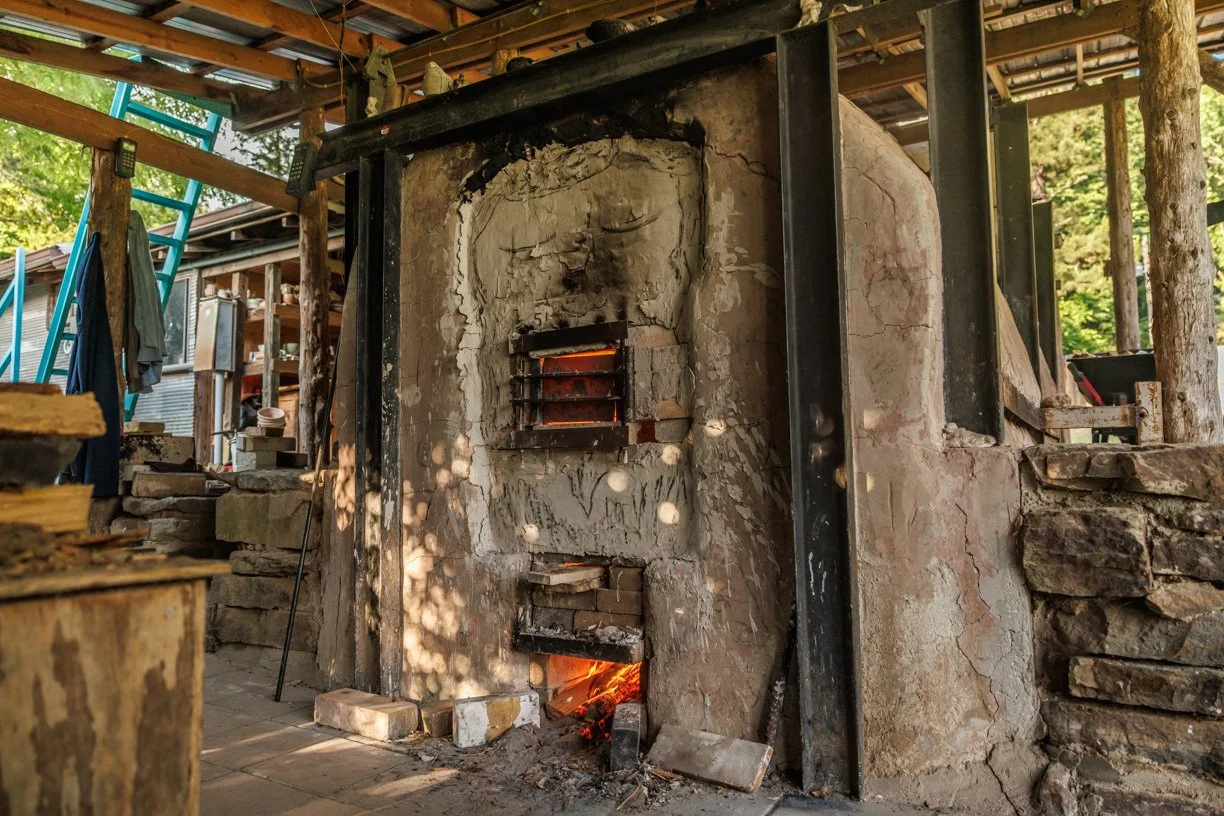
Anagama: A traditional Japanese wood-burning kiln used for firing ceramics
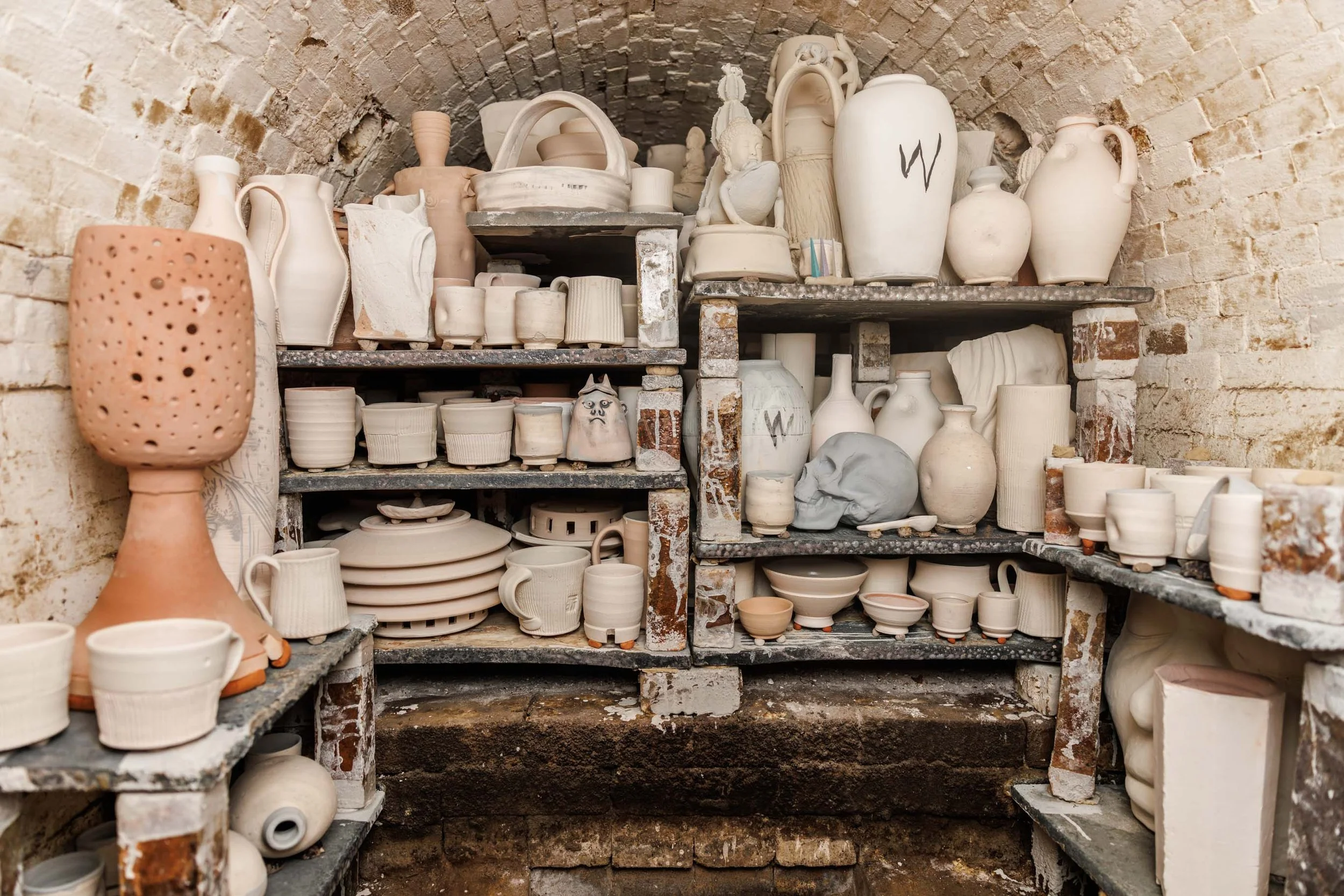
Driver’s kiln consists of two chambers: one very large, upward sloping, chamber, and a second smaller (but still quite large) salt/soda chamber.
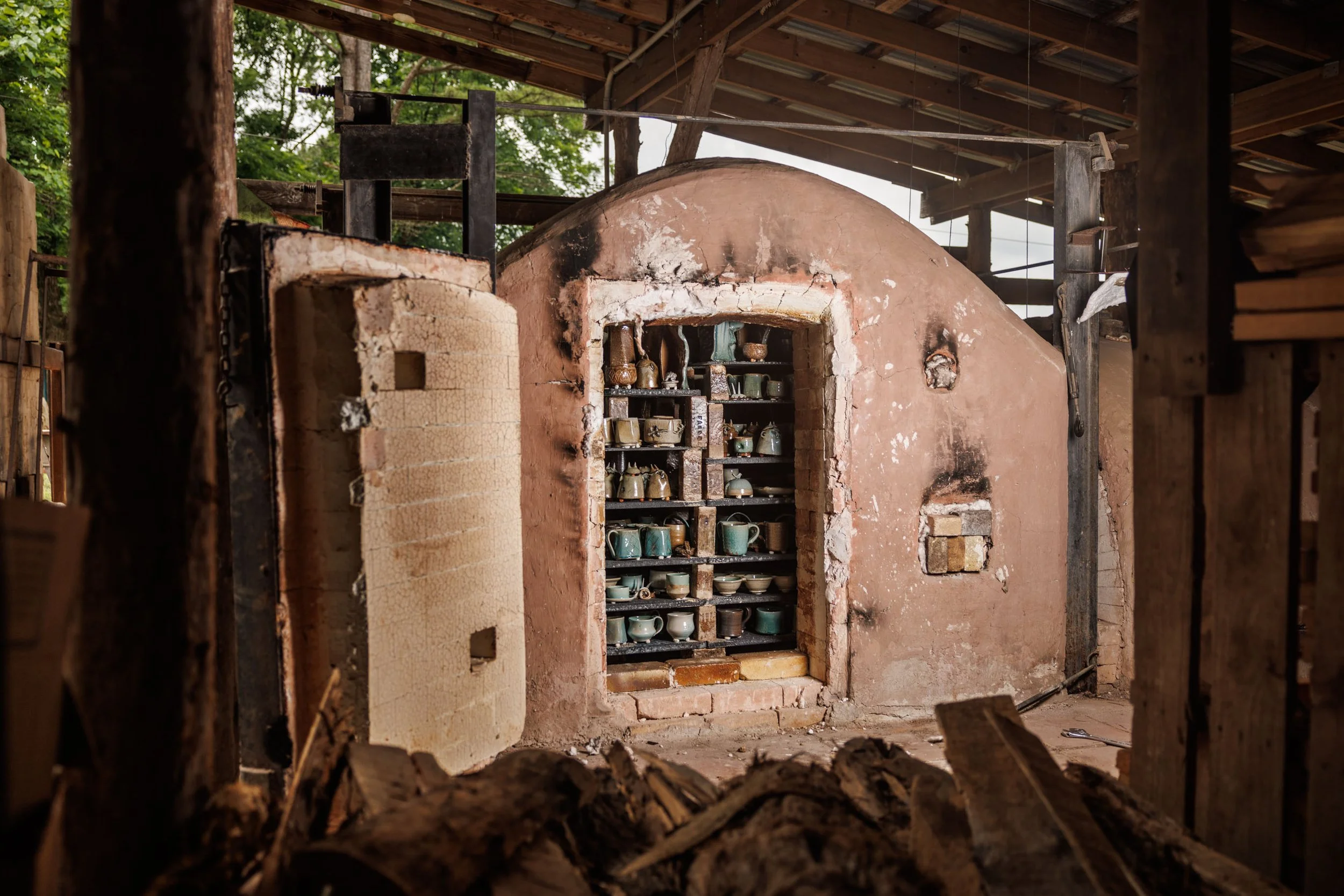
Salt/soda chamber of the kiln
The Land
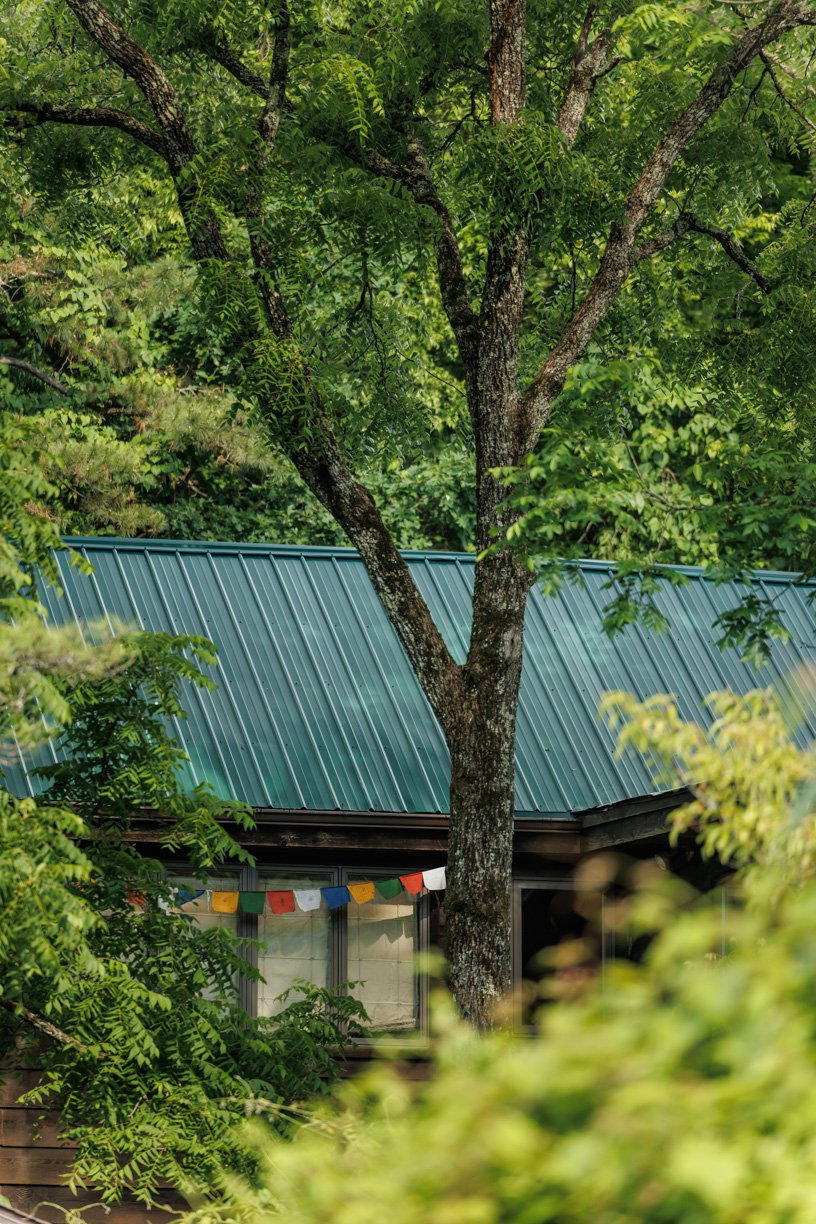
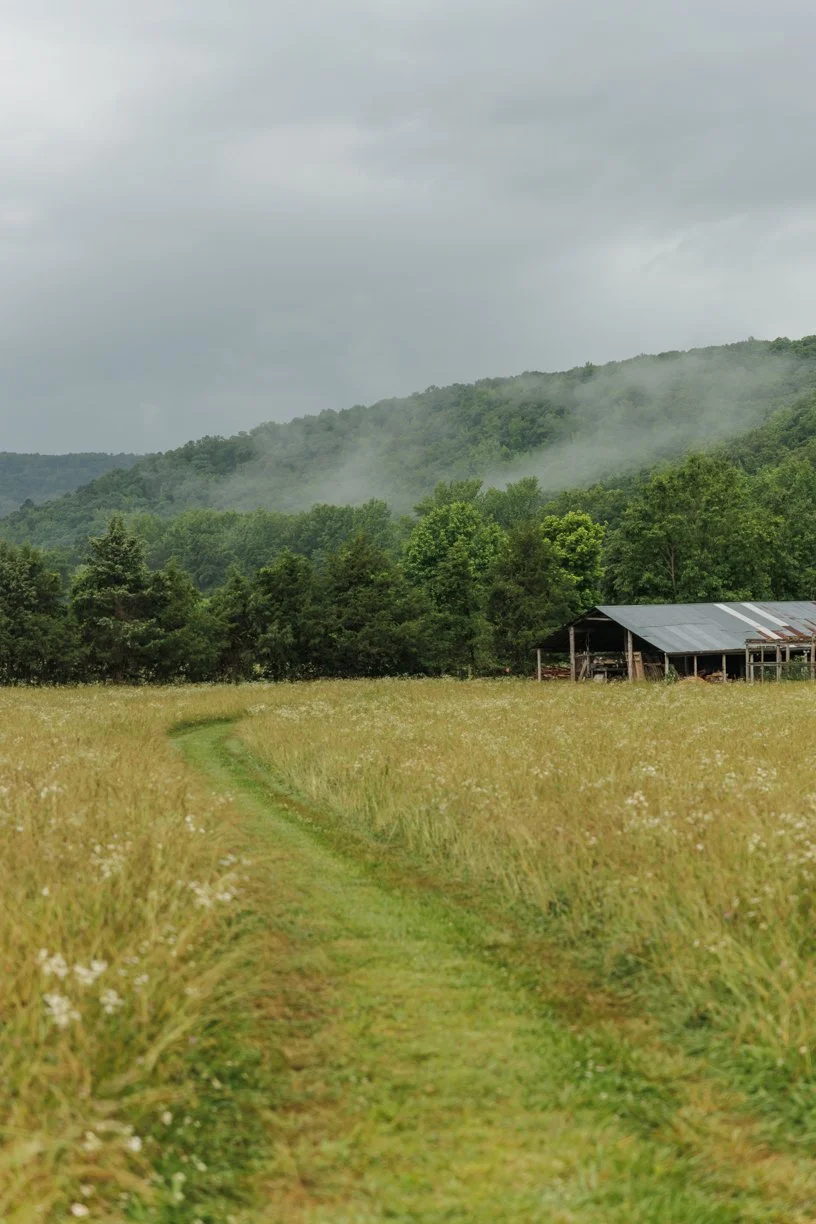
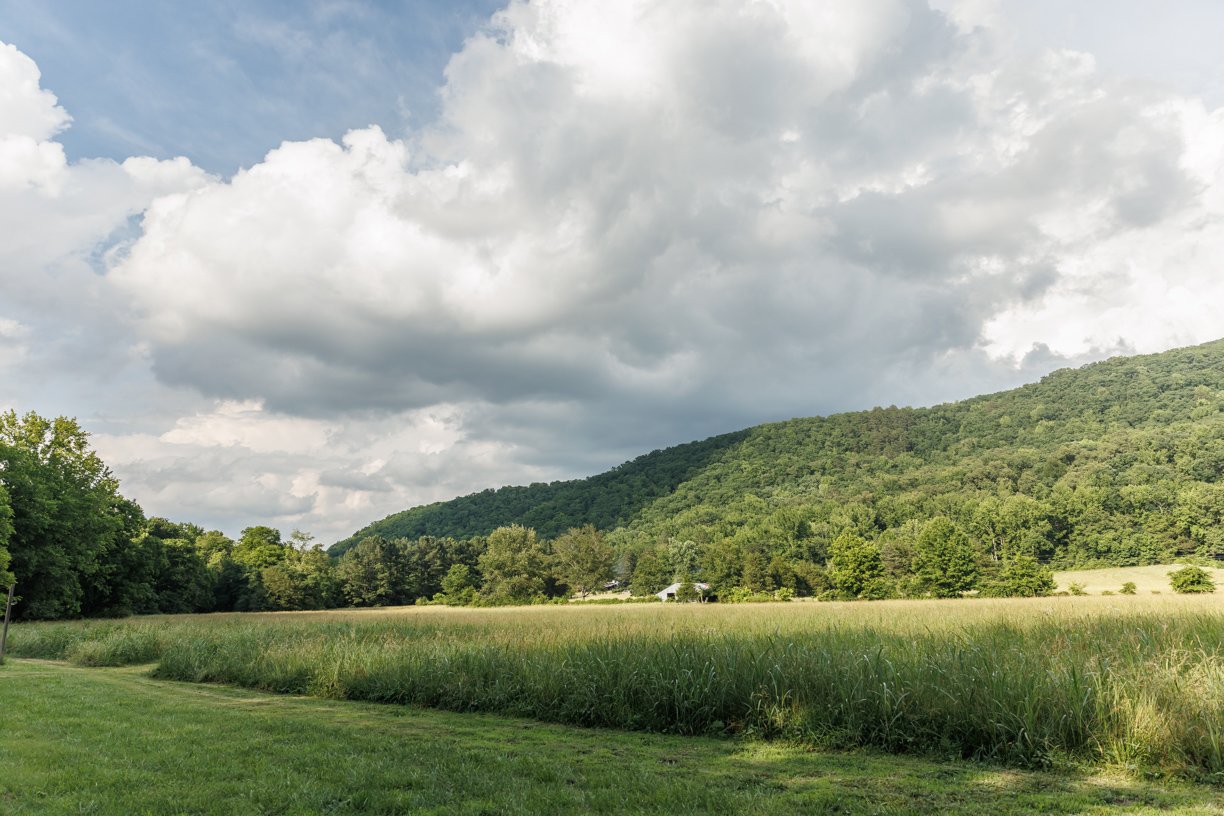
In 1976, Steven Driver moved to a valley along the Little Mulberry Creek in Northwest Arkansas. He, along with three of his brothers, joined with other back-to-the-landers of that era in embracing a lifestyle marked by self-sufficiency, simplicity, and intentional community in the Ozarks.
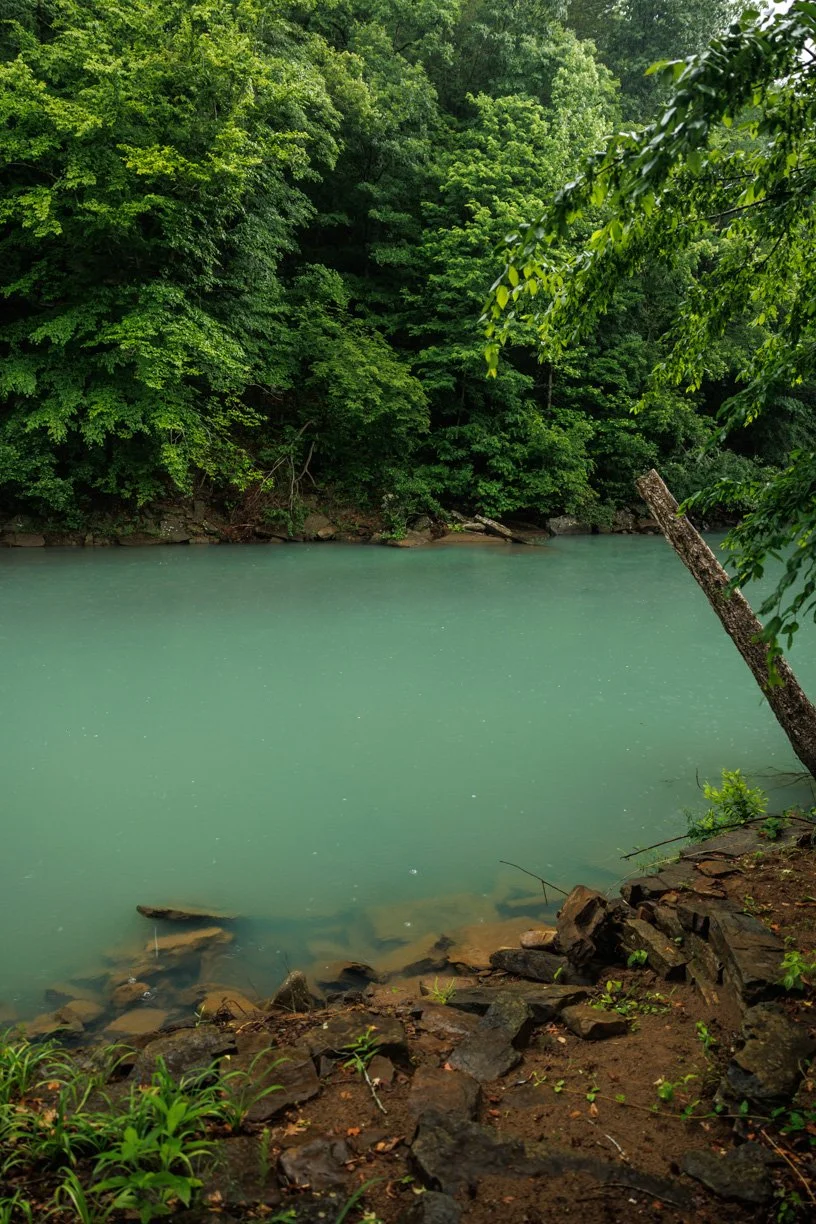
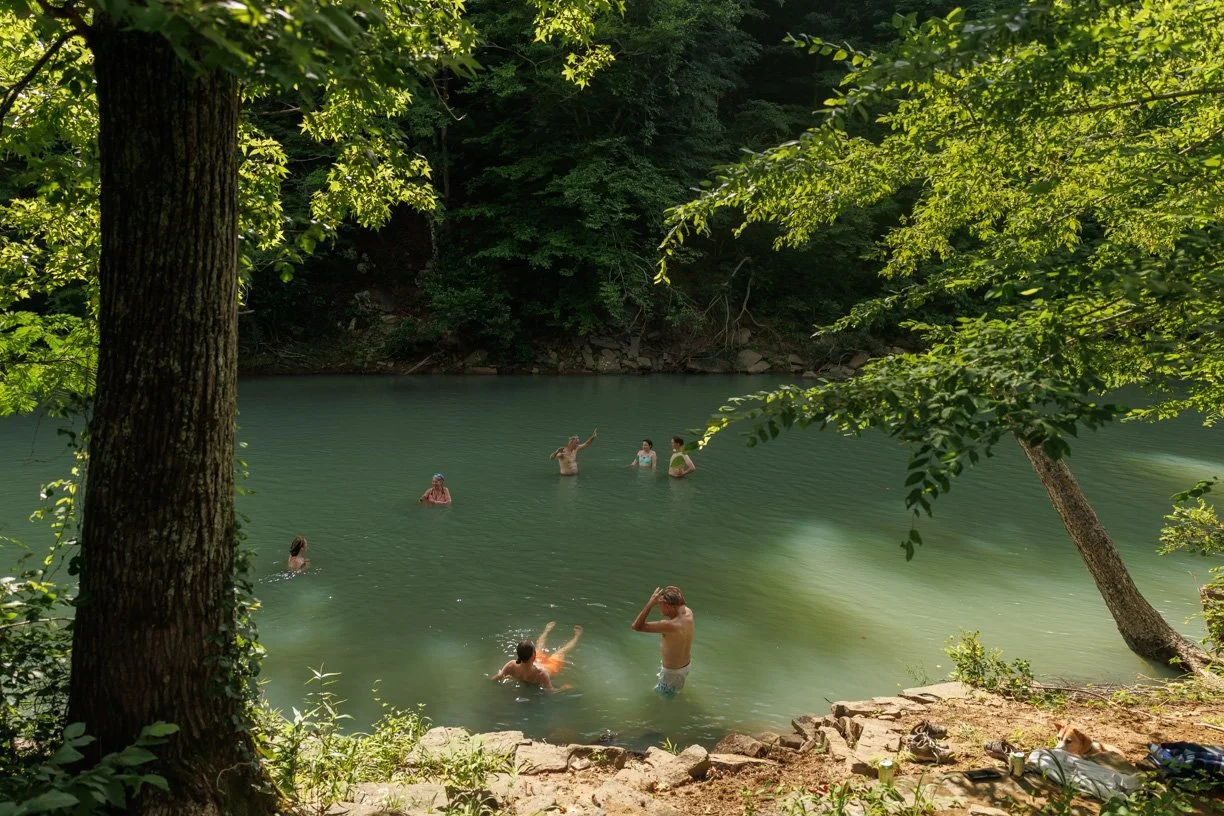
Potters swimming in the Little Mulberry Creek.
The Potter
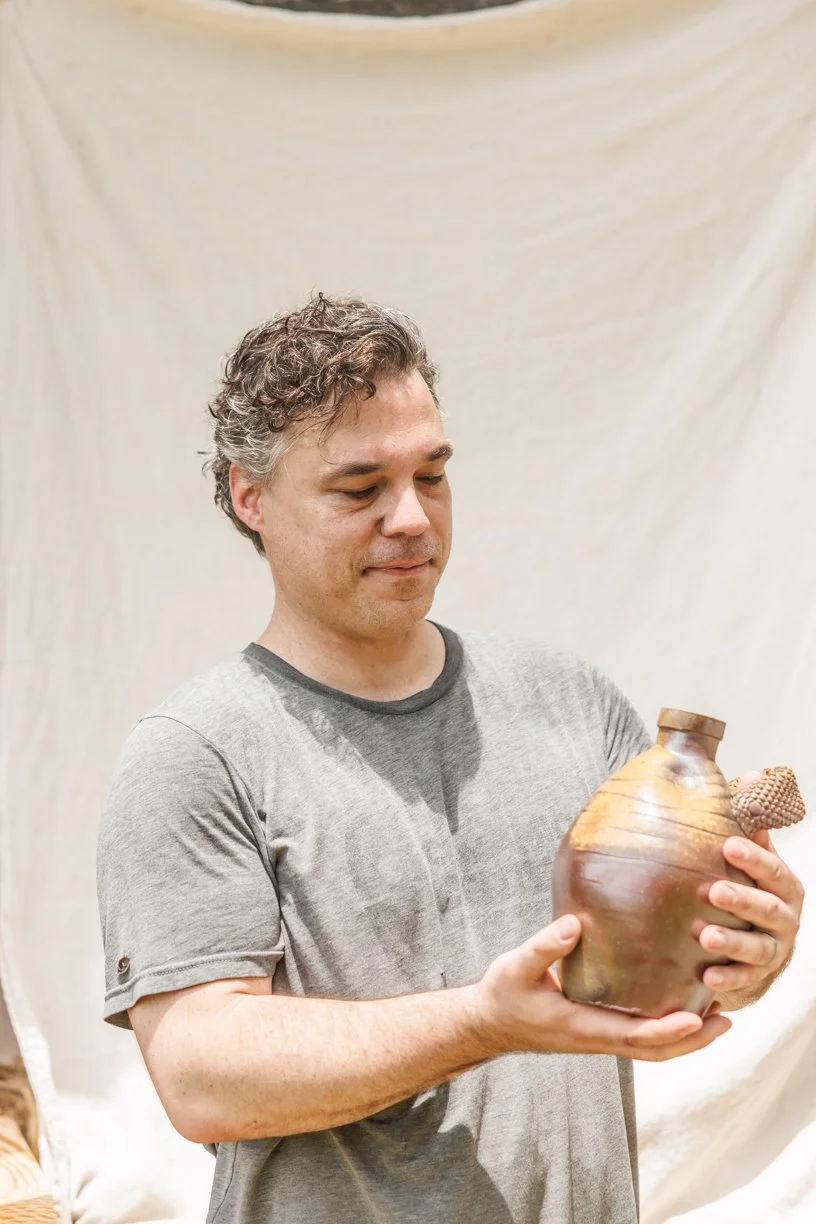
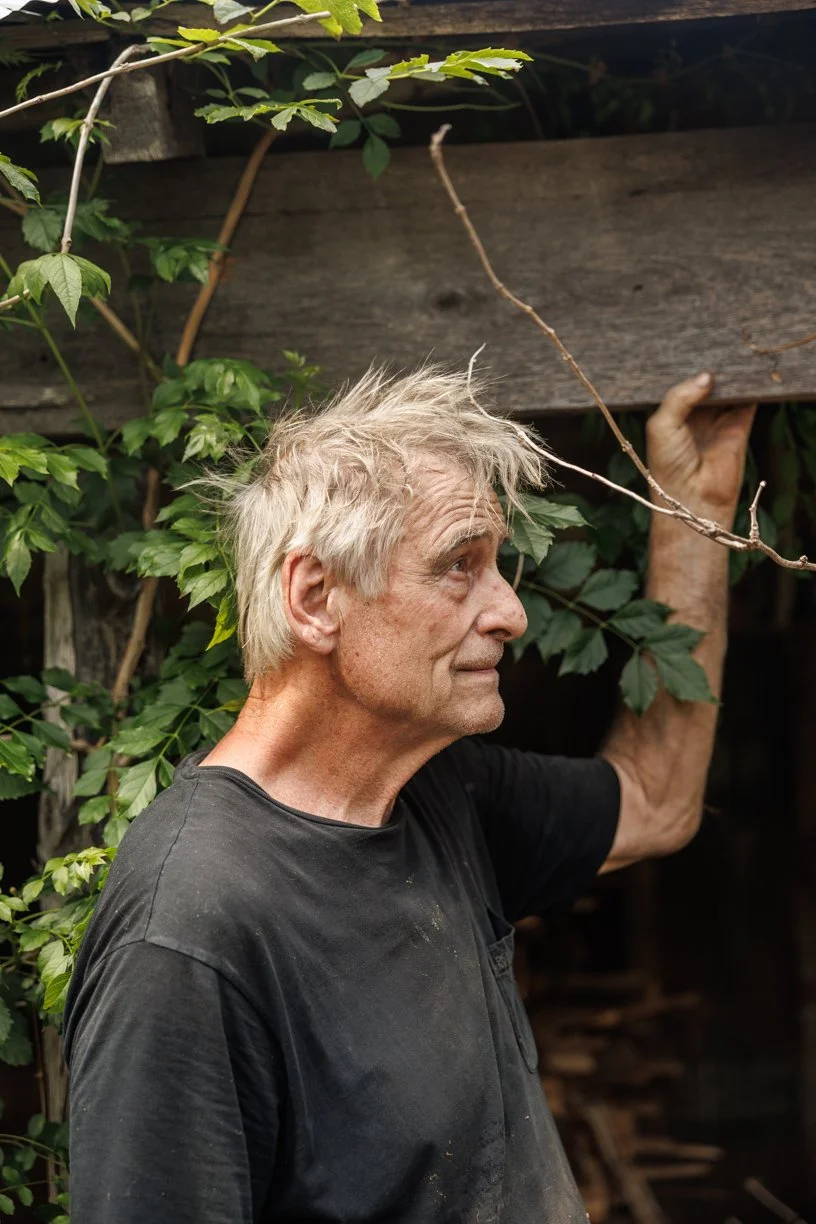
“I am an incurable romantic that fell in love with making pots and wanted to be a country potter. I am compelled to work with my hands, and I have a need to design, engineer and find elegant solutions in clay. It is what makes me really happy.” - Stephen Driver

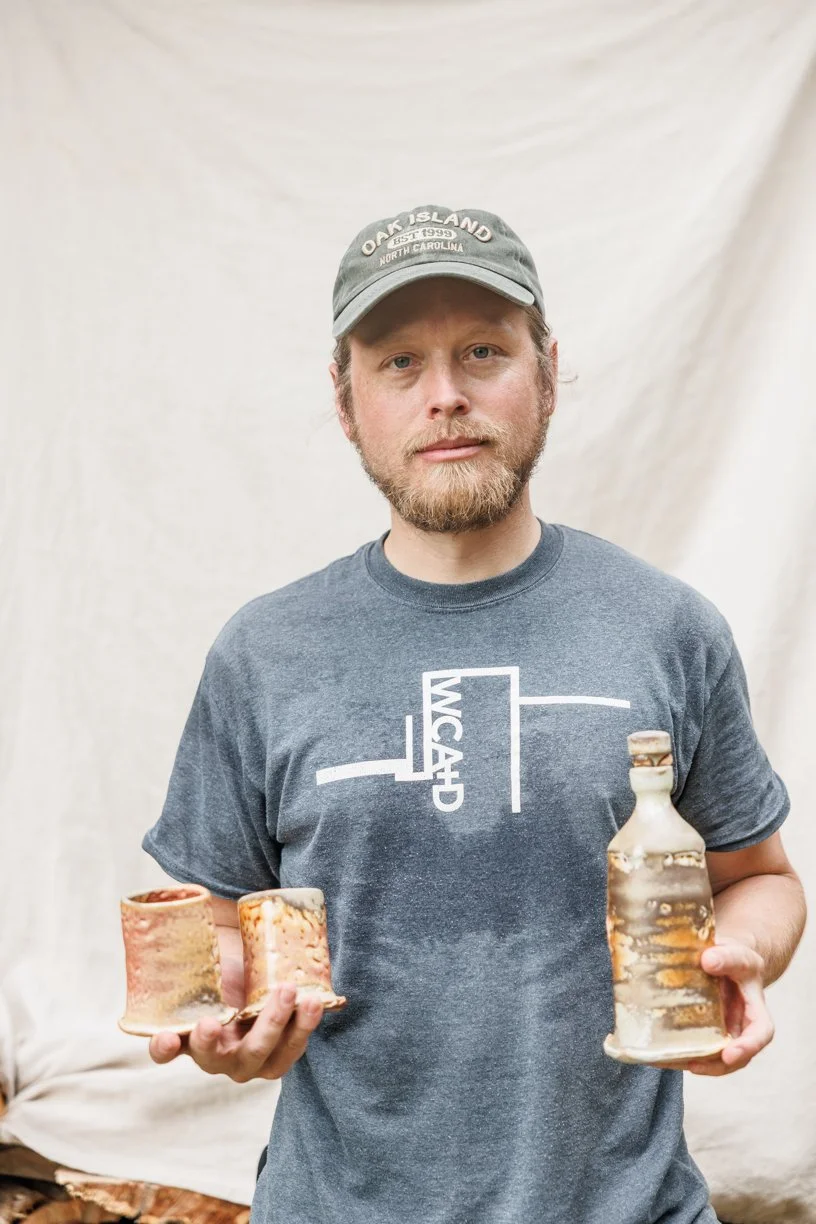
Portraits of Stephen Driver © Sara Reeves
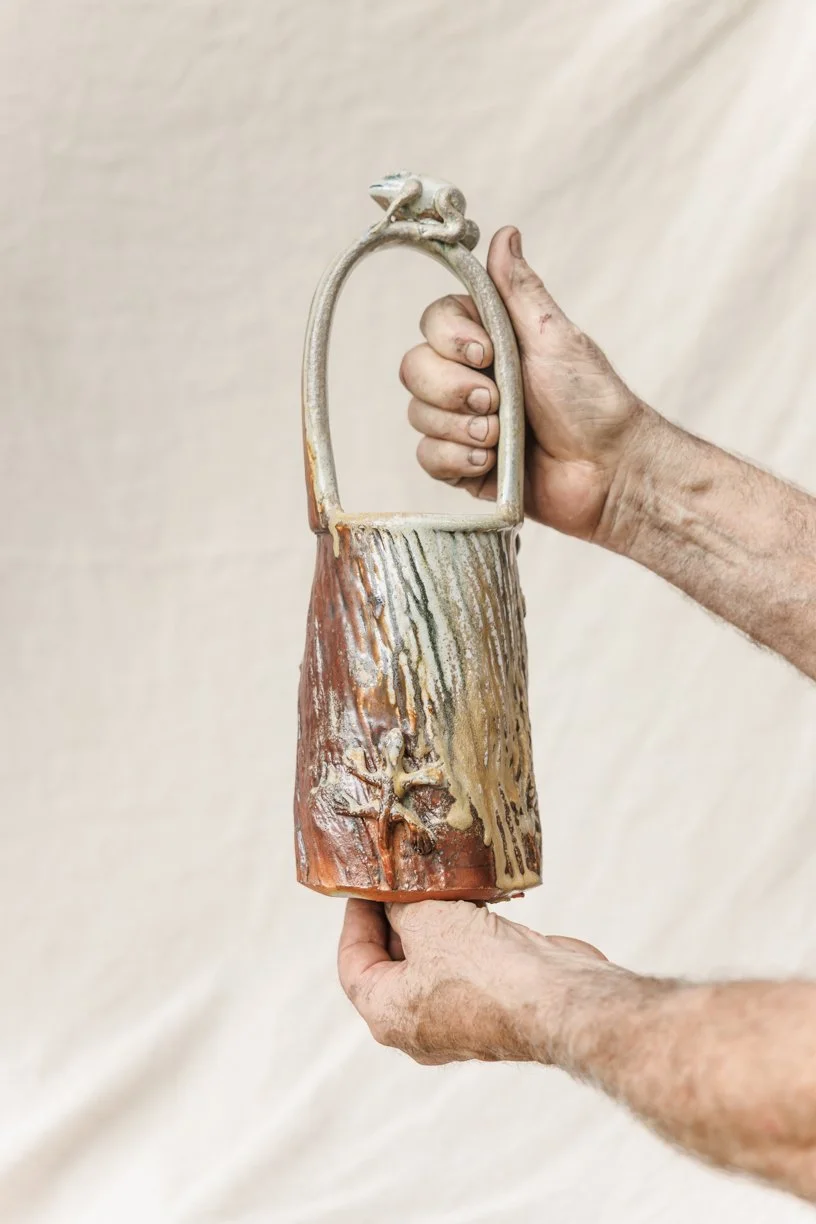
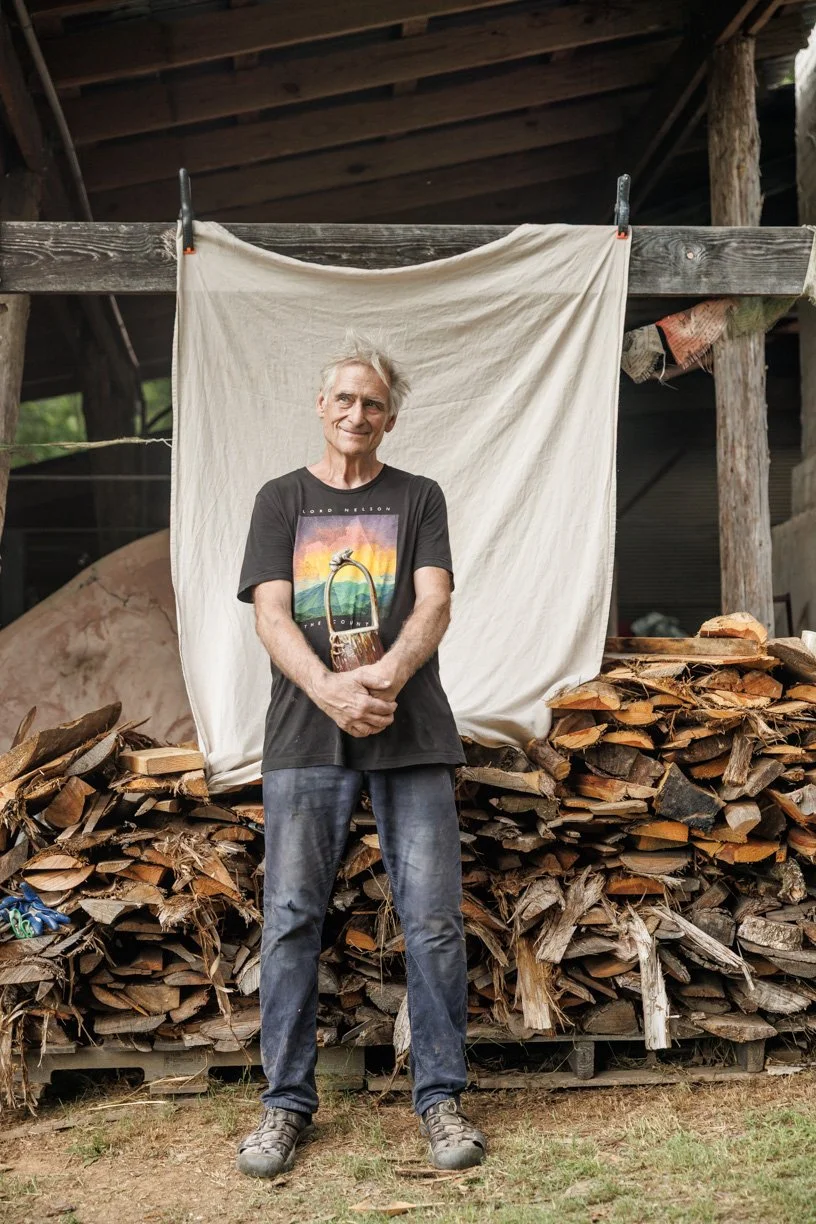

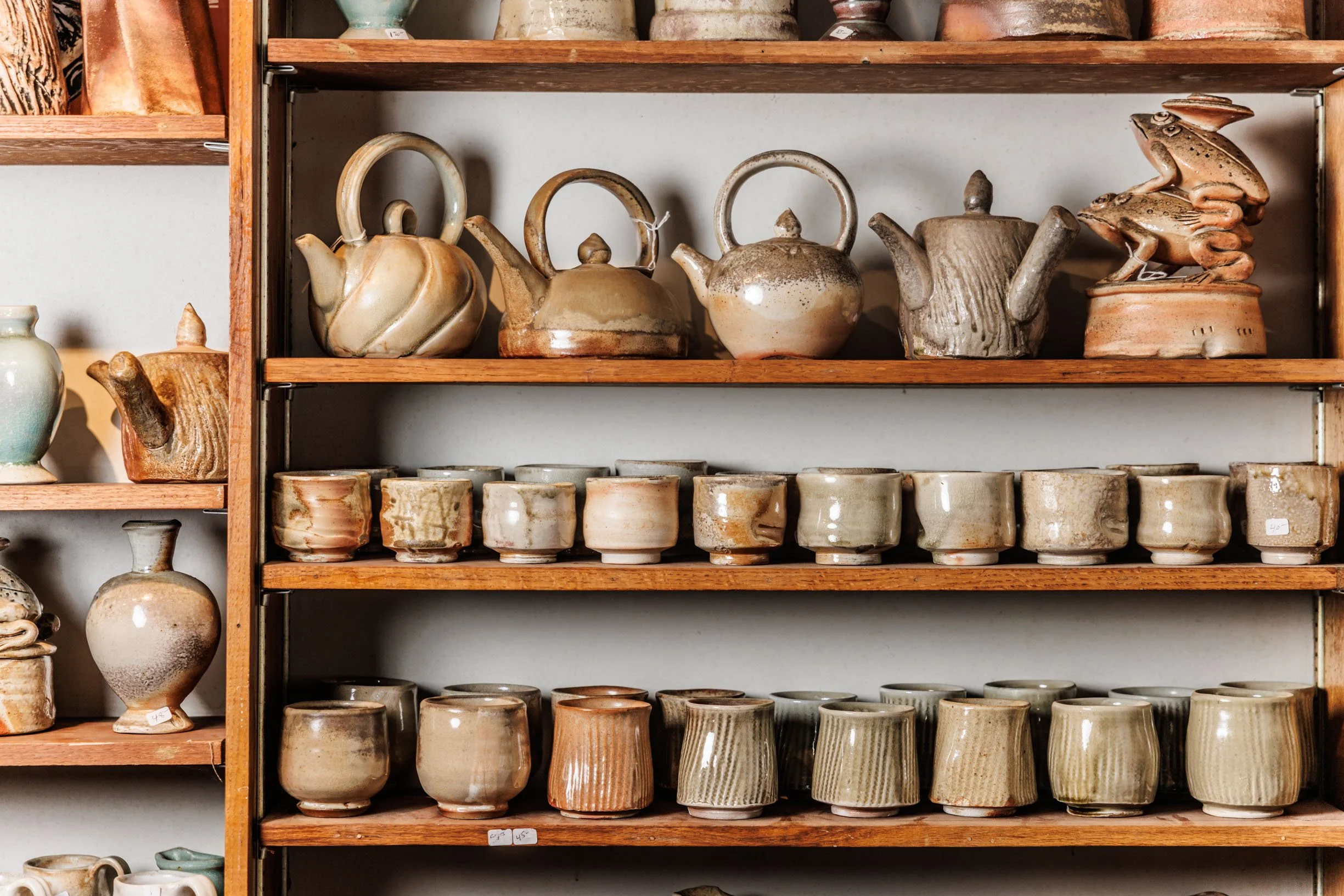
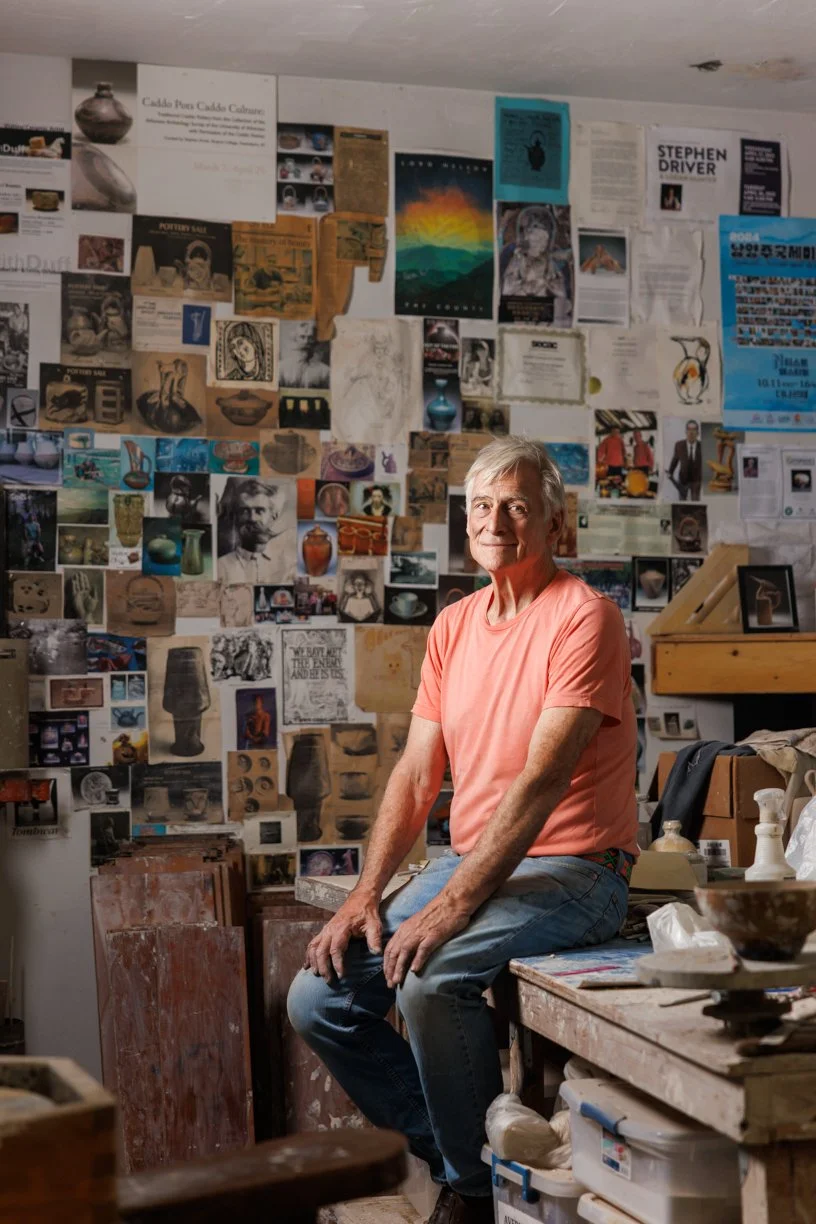
Driver in his studio
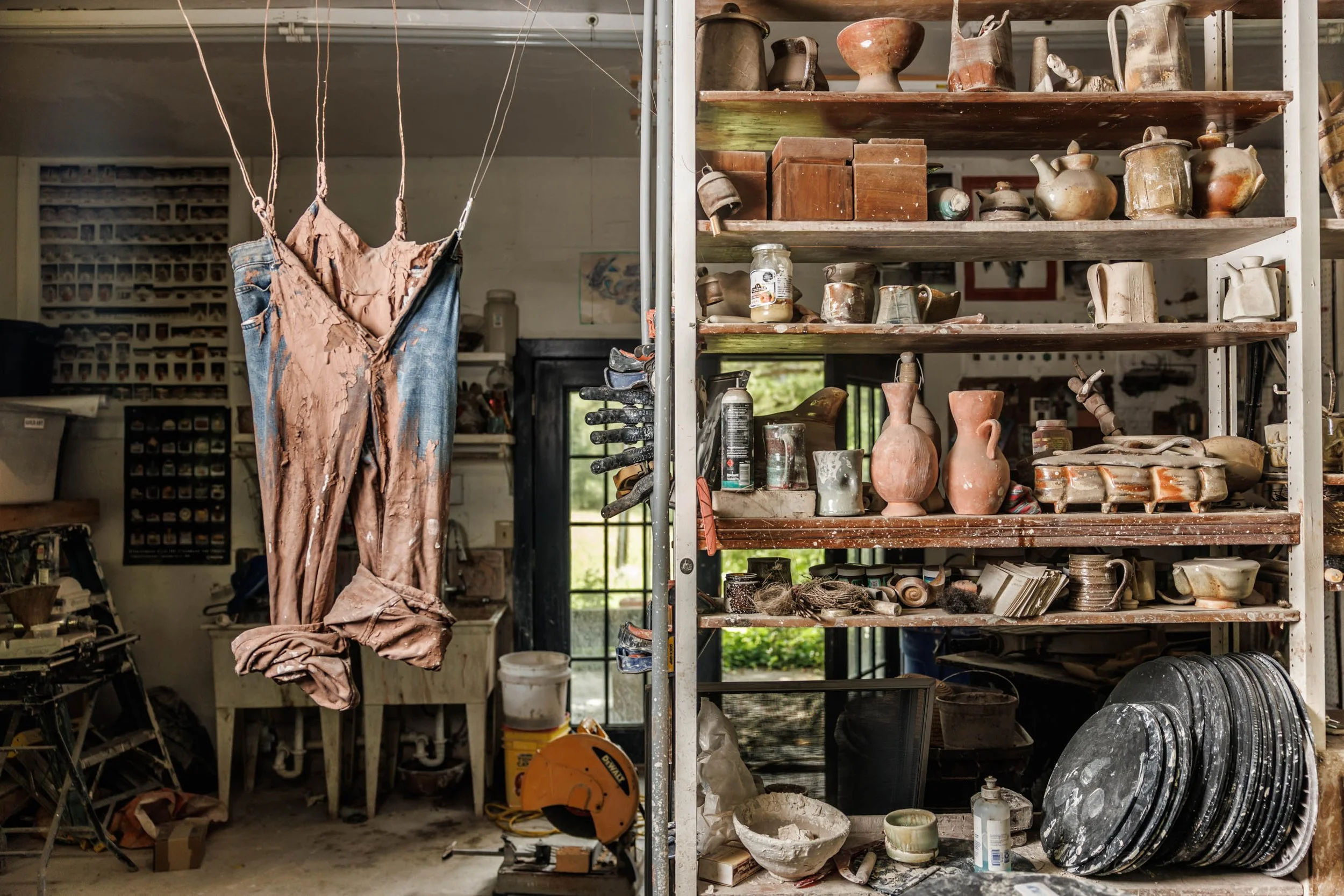
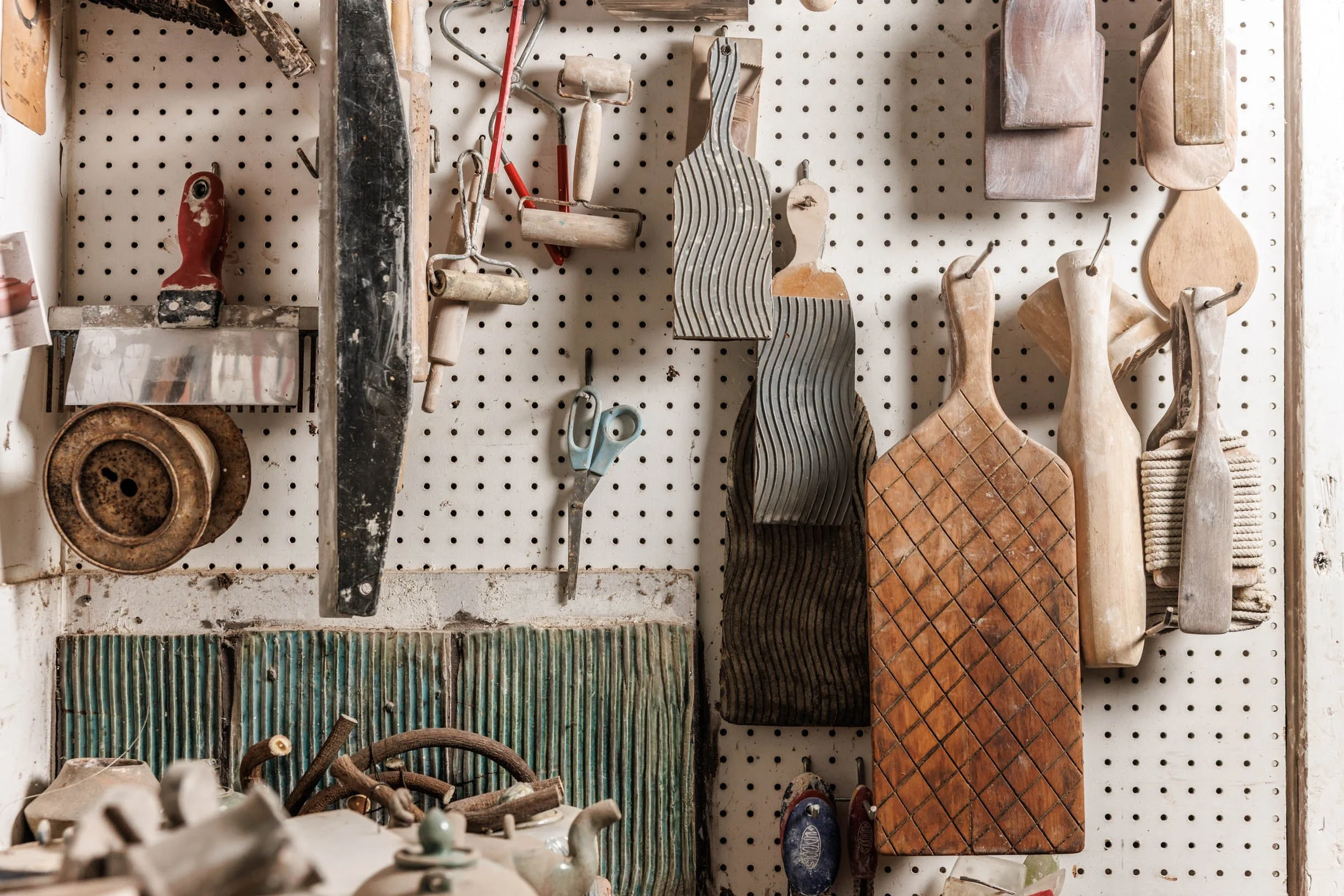
The Tools
Suspended from the rafters of his studio, Driver uses the legs of an old pair of jeans, clamped at the ankles, to sieve water, clay slurry, and other ceramic materials to make his personalized clay mixtures.
All of the wood used to fire Driver’s kiln has been salvaged or collected naturally from fallen trees and discarded timber.
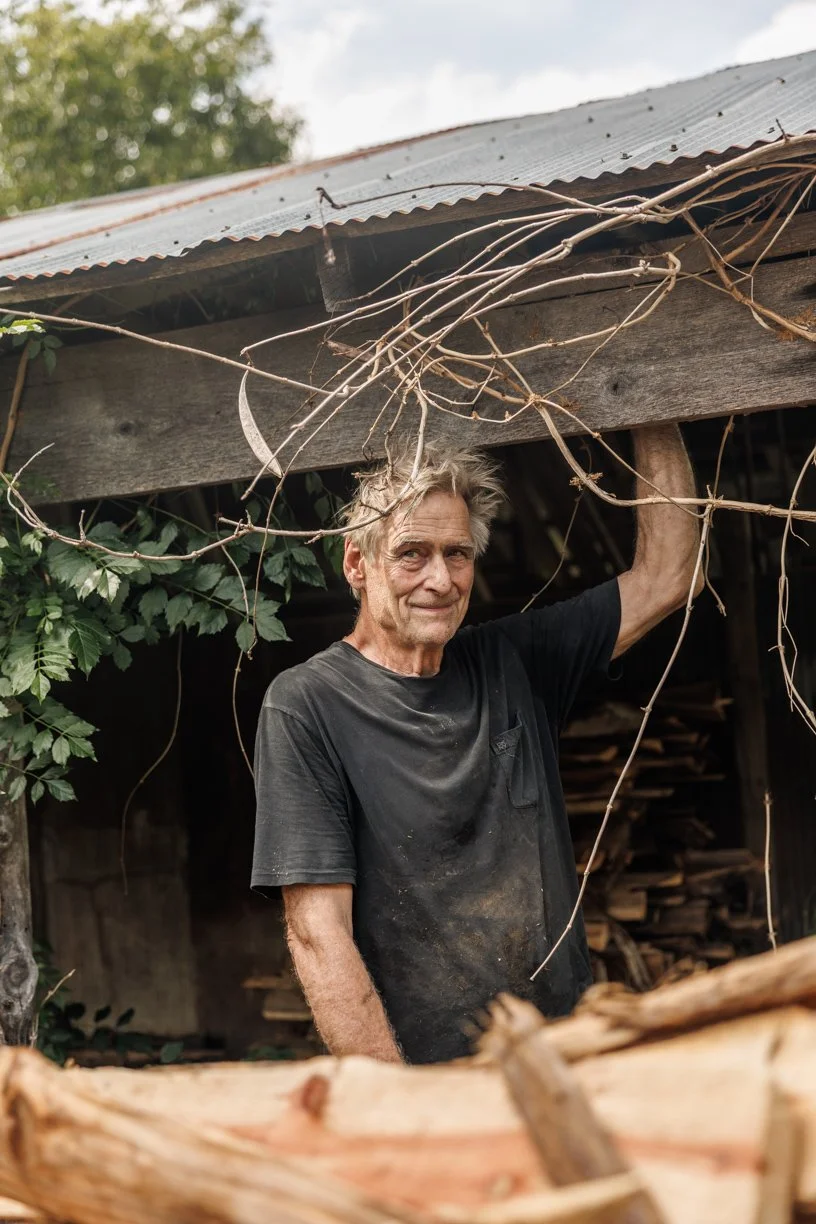
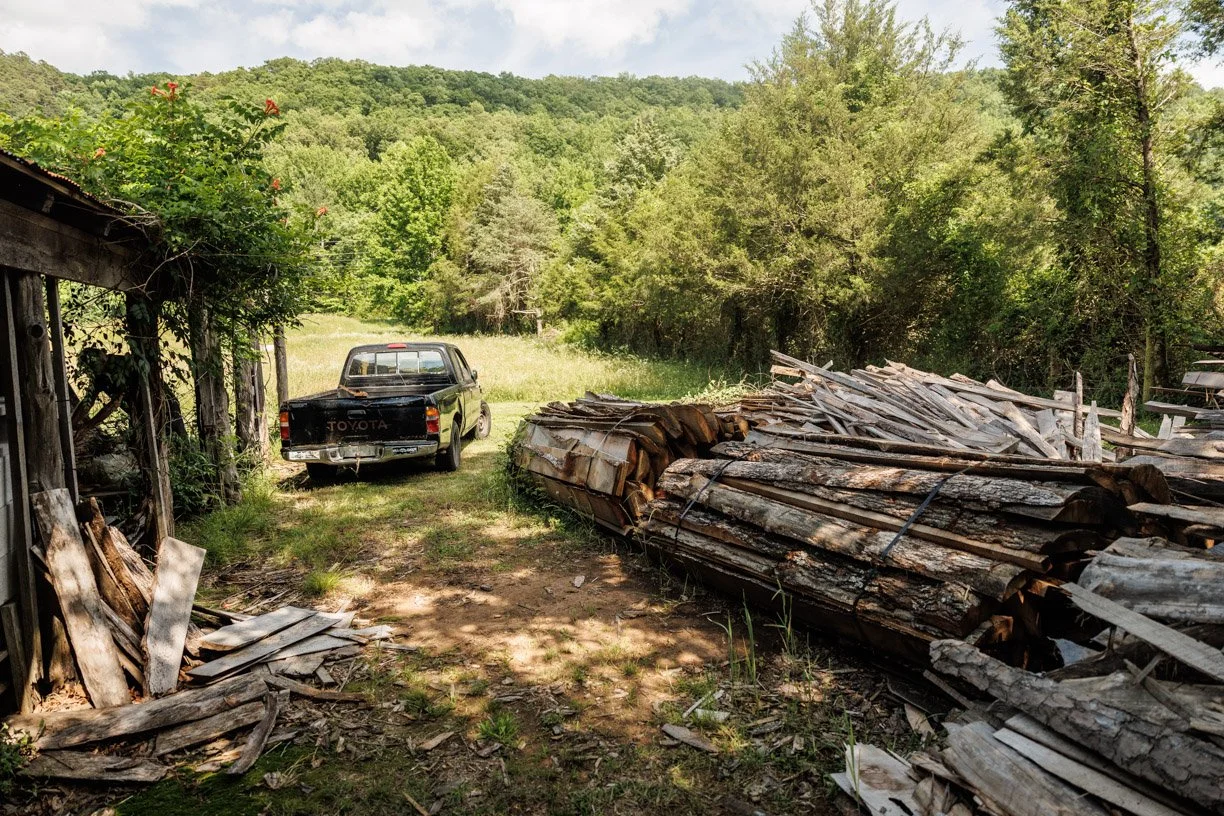
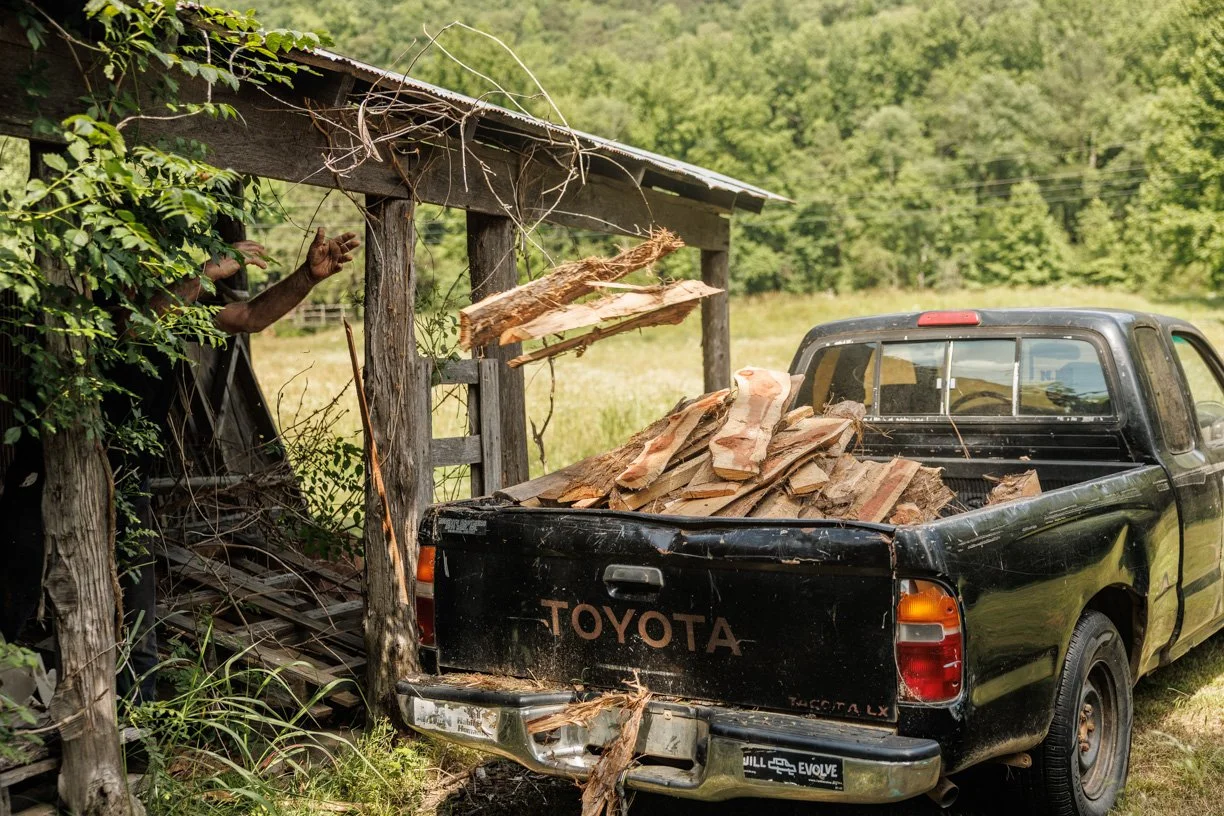
Gathering wood for the kiln
Lighting the Fire
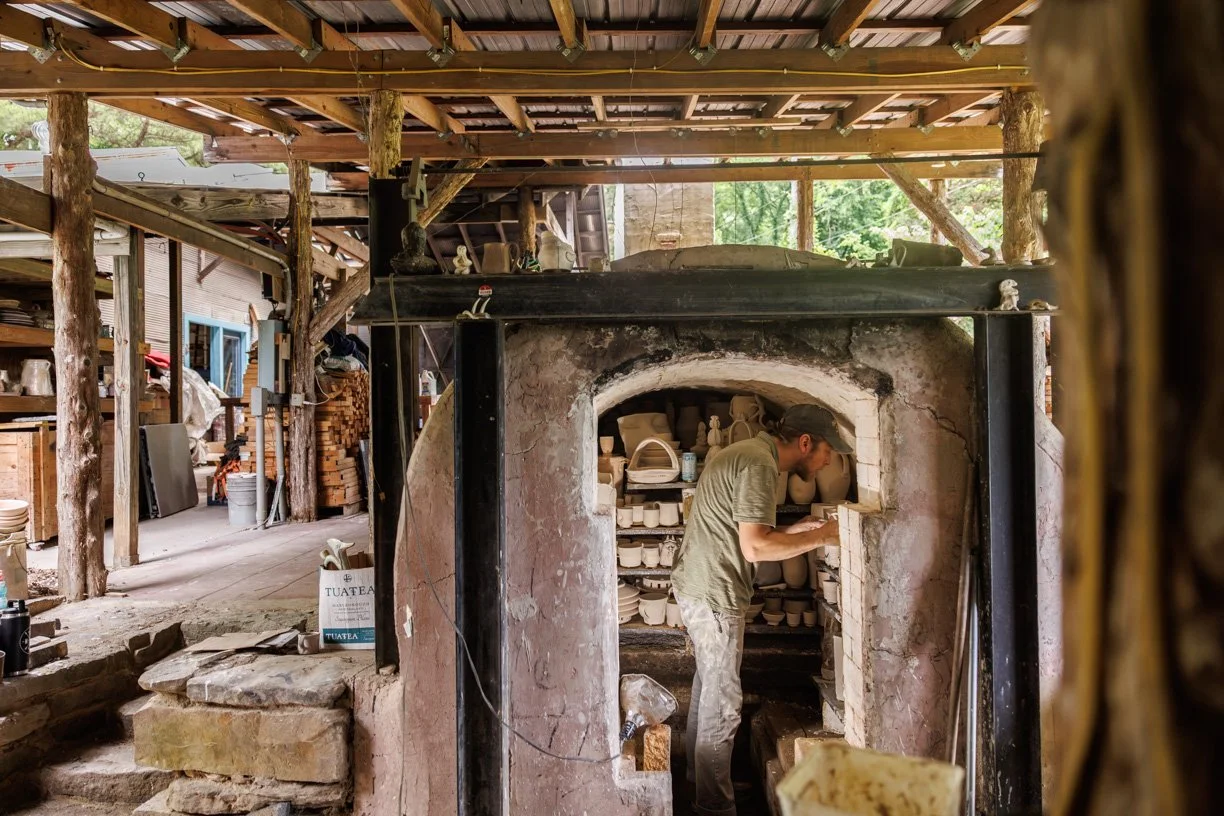
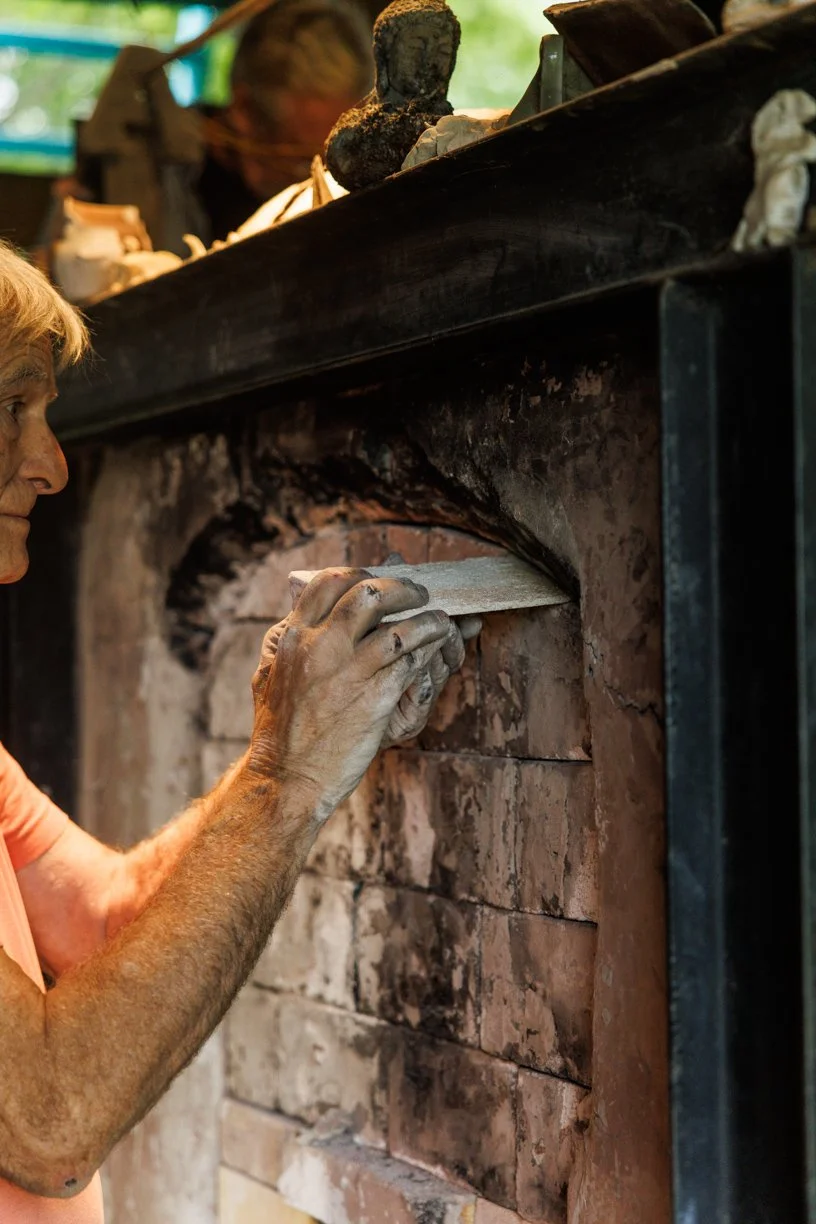
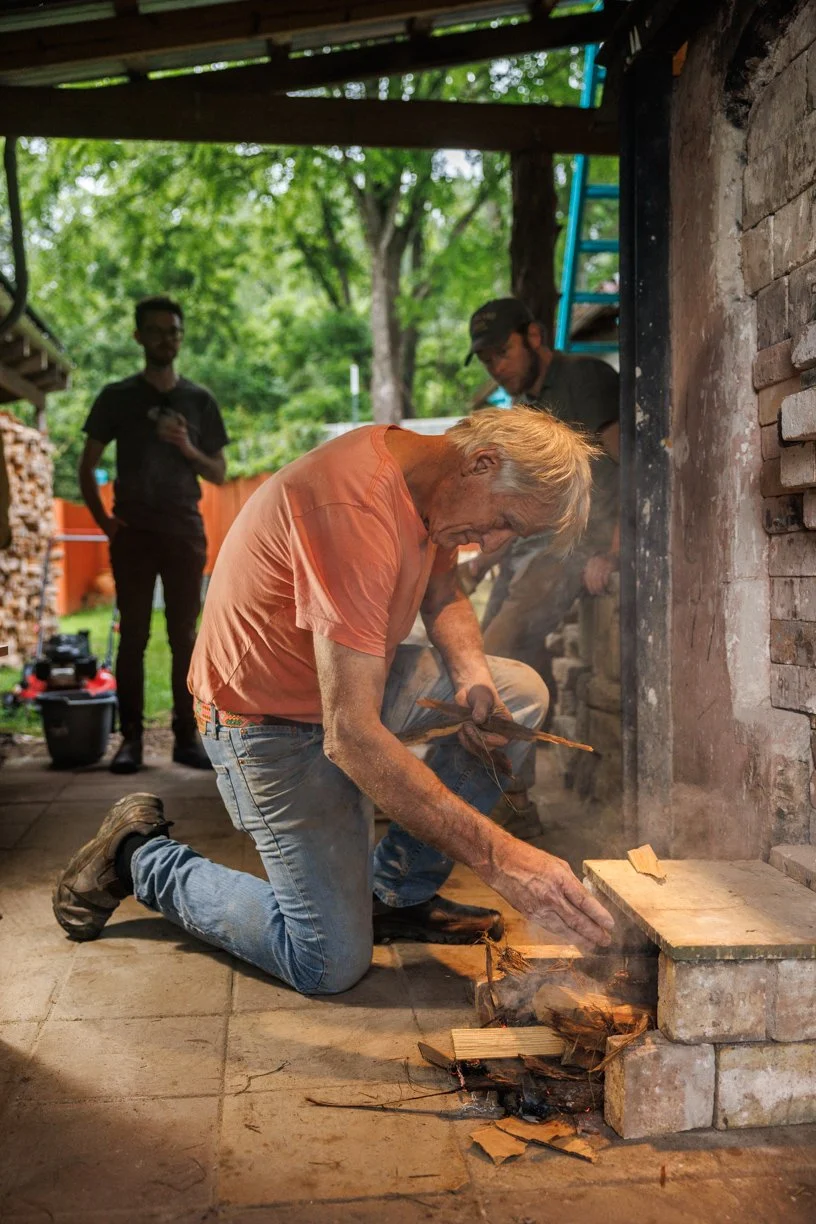
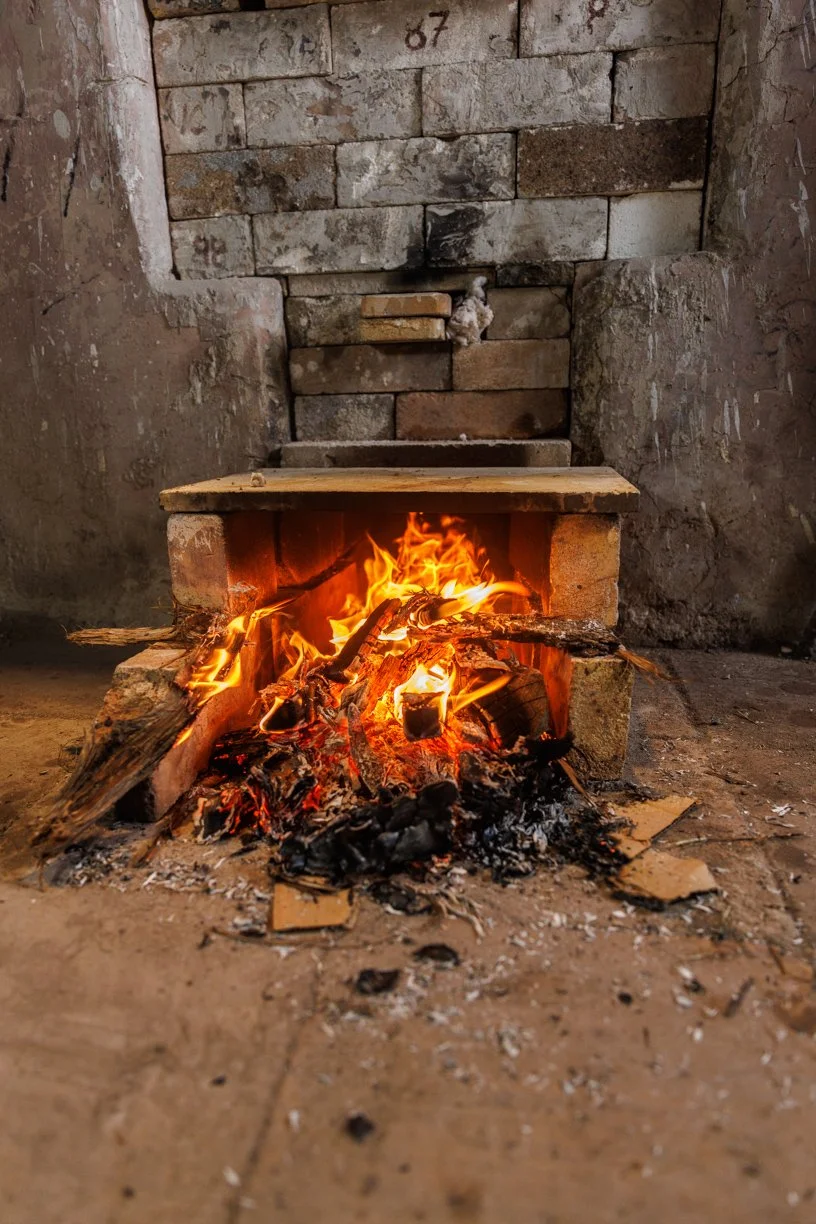
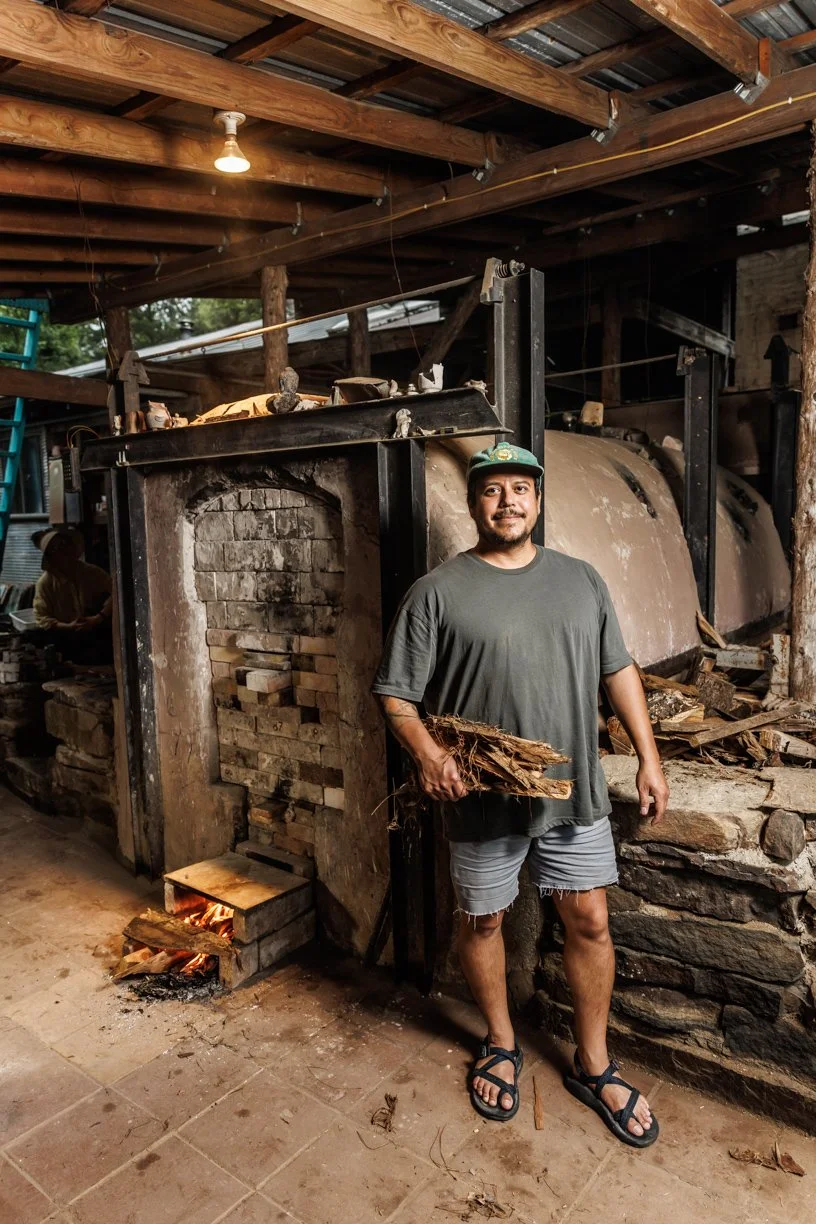
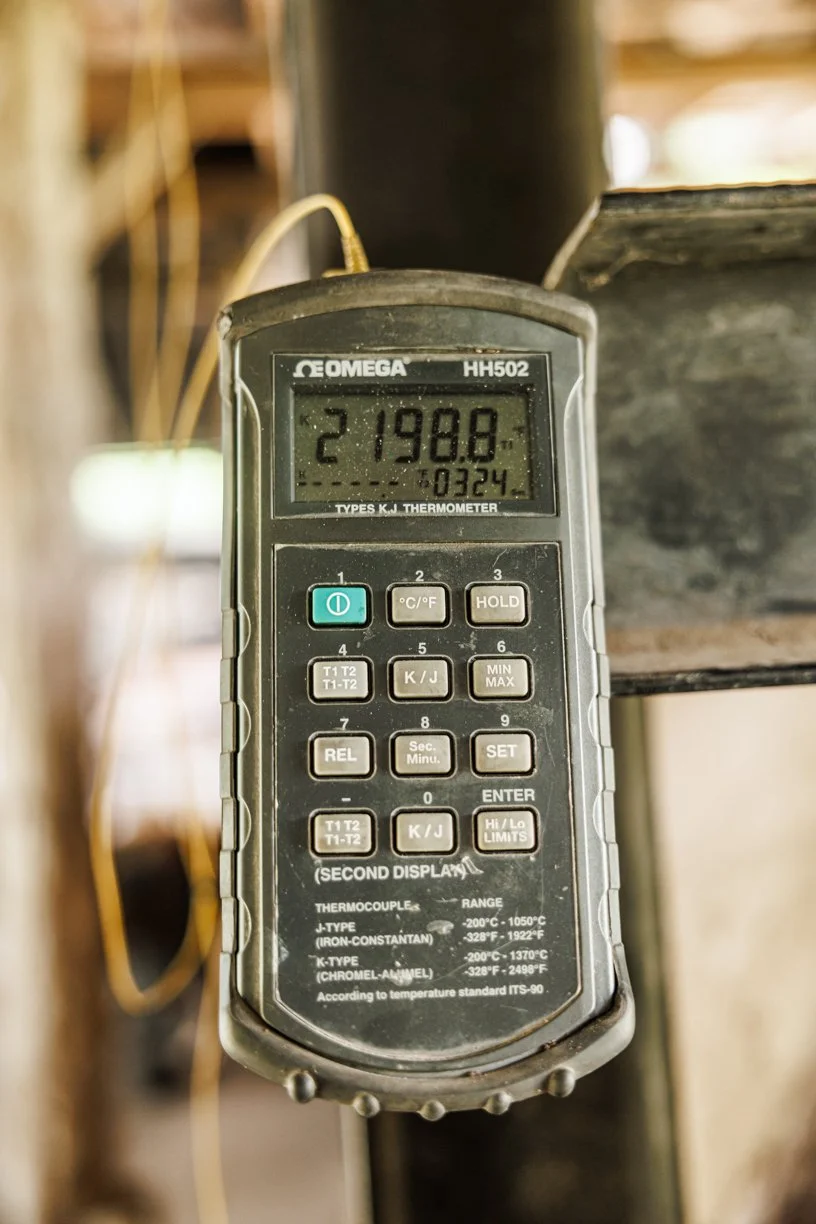
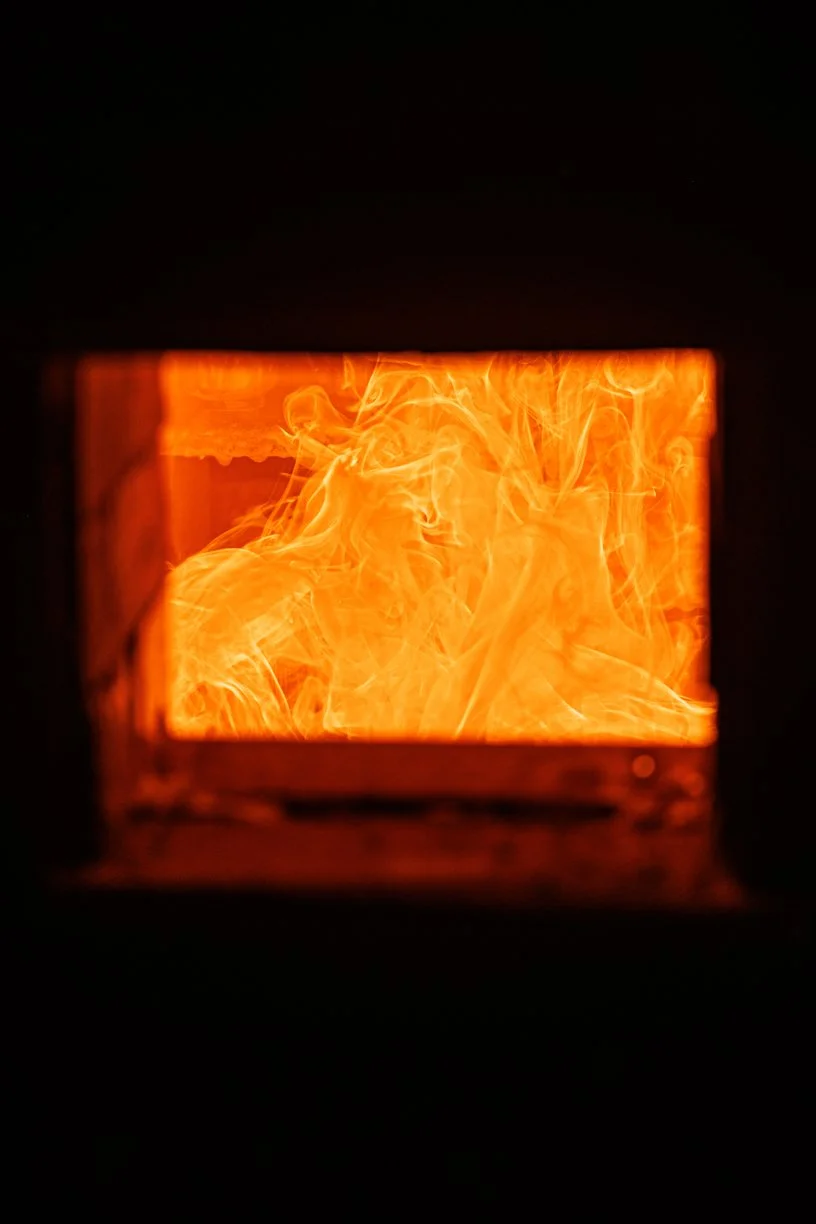
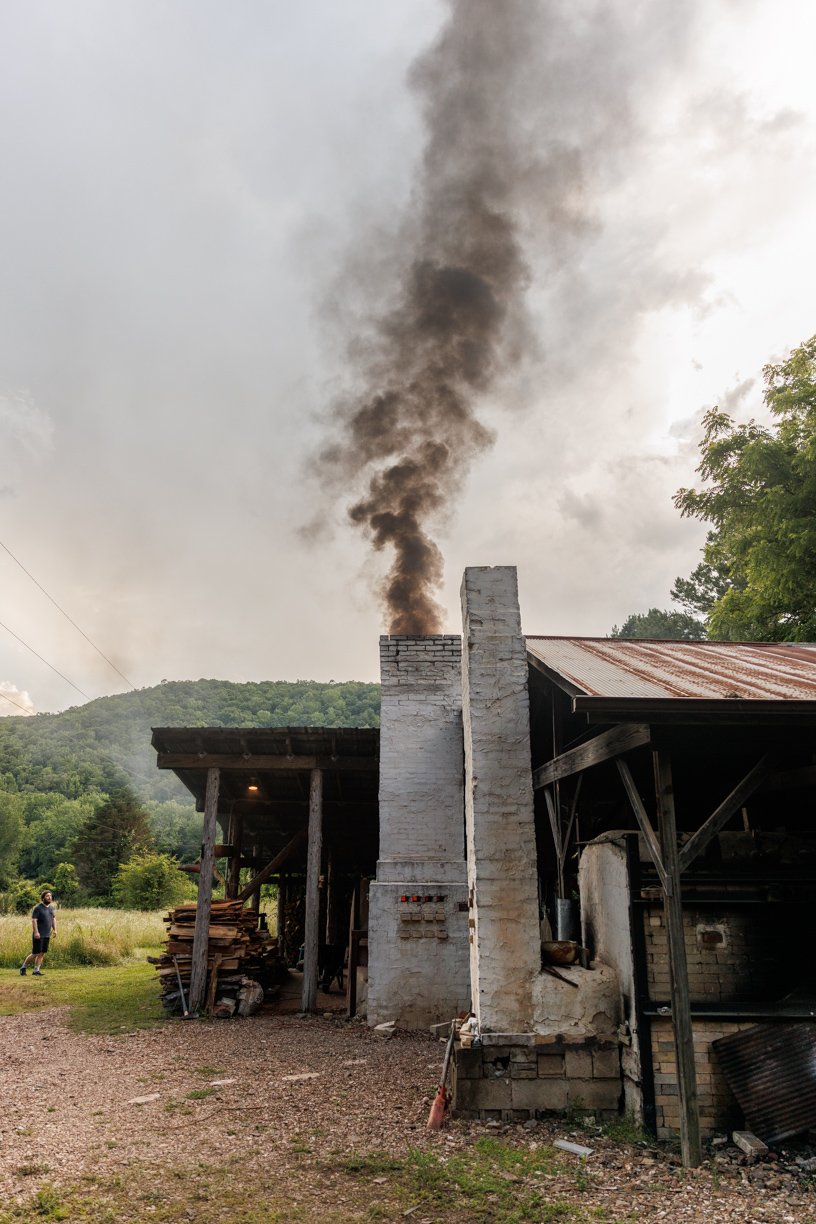
Driver has fired up his anagama kiln each spring for the last nine years, inviting a talented cohort of potters to come together to work and create as a community. The kiln can hold 850-1000 pieces of work fired at temperatures up to 2,400°F.
Part Vigil, Part Science Experiment
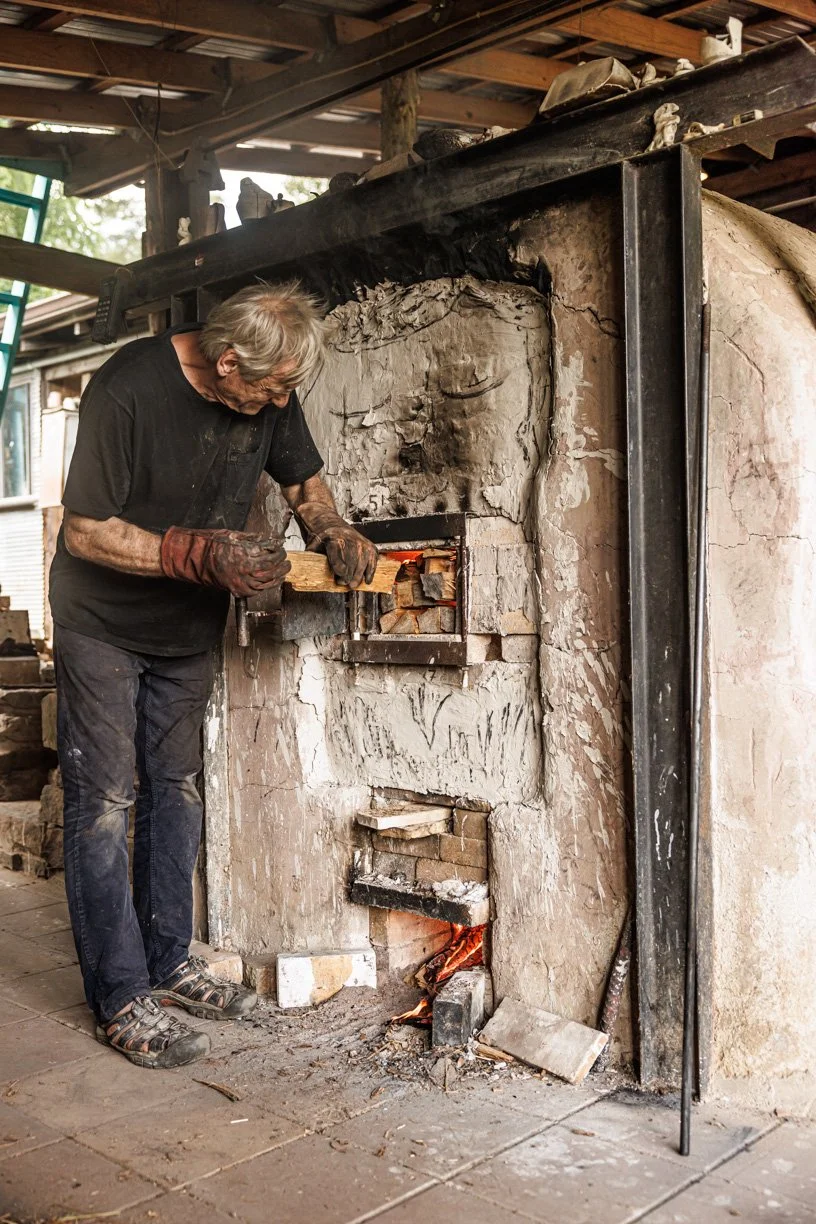
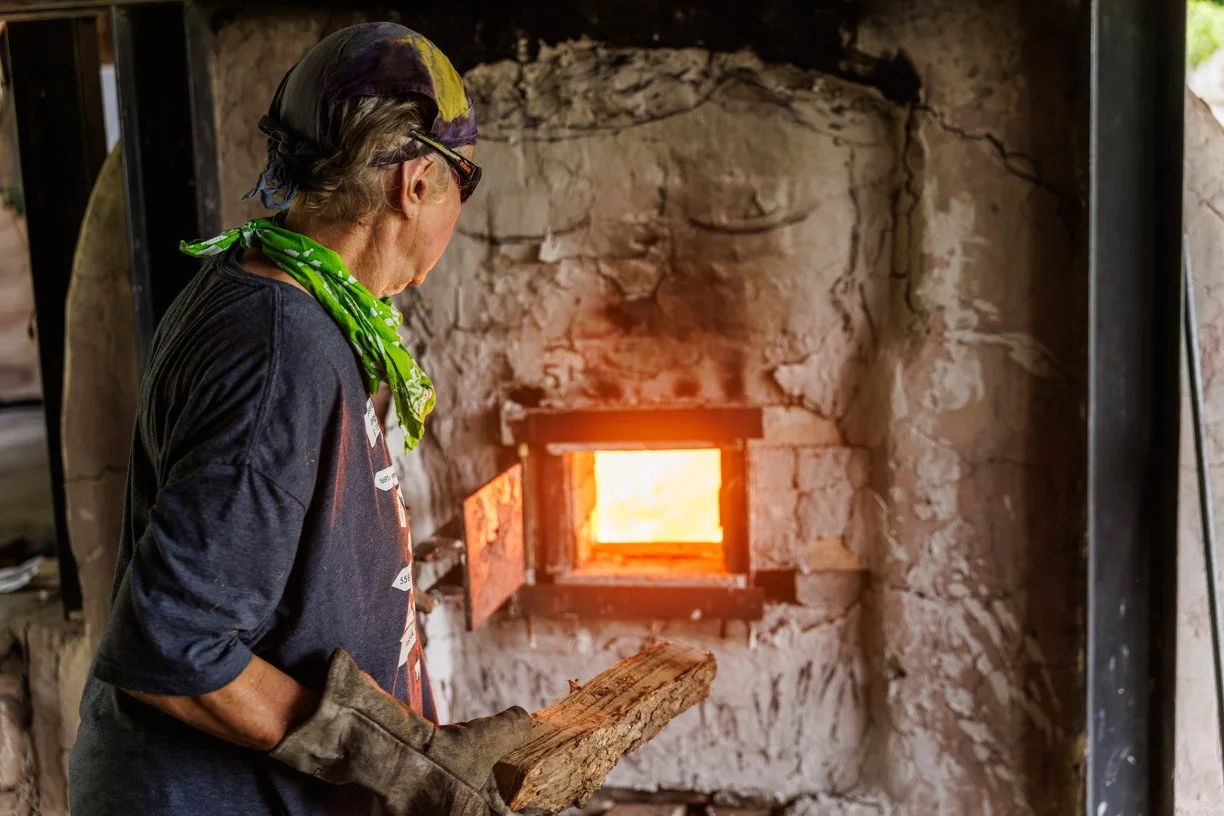
During the course of the firing, potters keep watch over the glow of the fire through a series of continuous six-hour shifts. Adding, positioning, and stoking logs into various chamber doors and openings along the kiln walls, they raise the temperature at a slow, steady pace. Heat, smoke, and ash grow hotter and higher with every feeding.
“I just find that firing this way makes my pots better. Letting the fire interact with the pottery is a great way of humanizing my work and making it warmer. It softens, obscures, distorts, warps… I also just have a lot of energy and am a pyromaniac.” -Stephen Driver
Ashes to Art
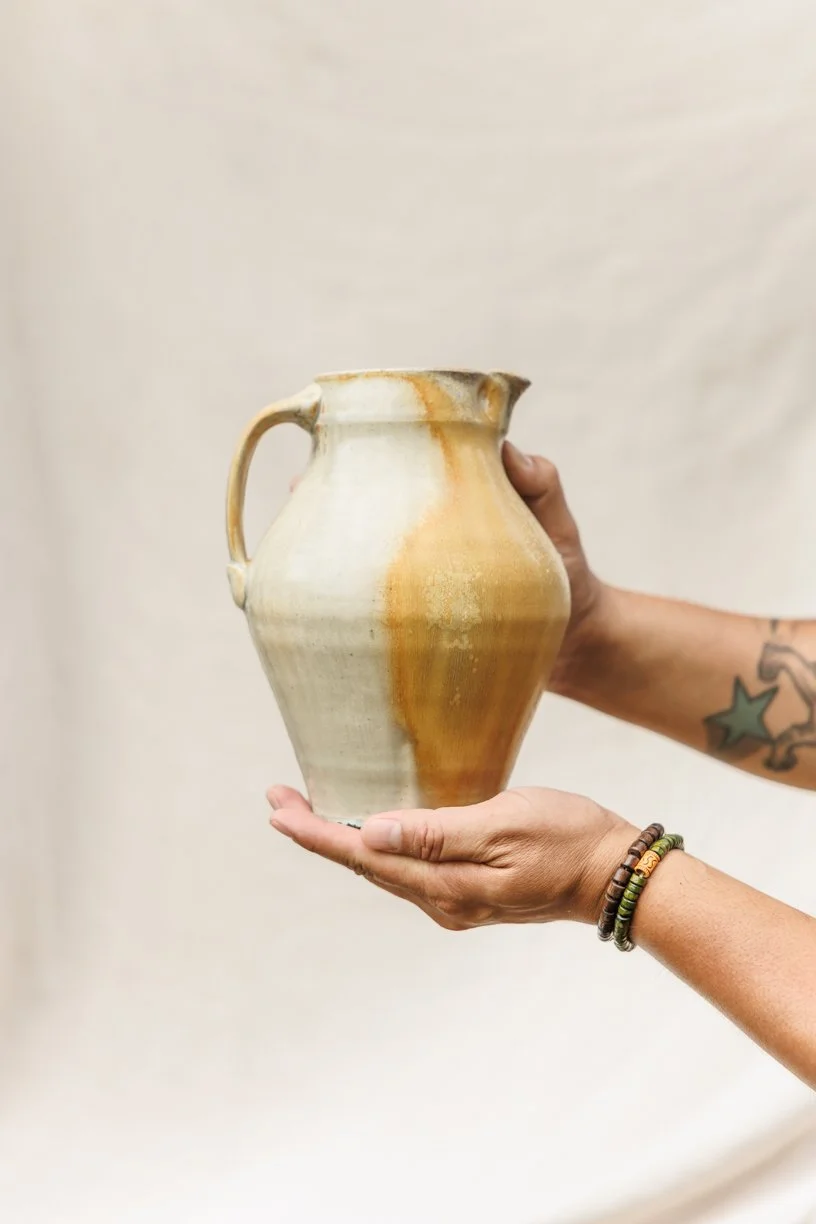
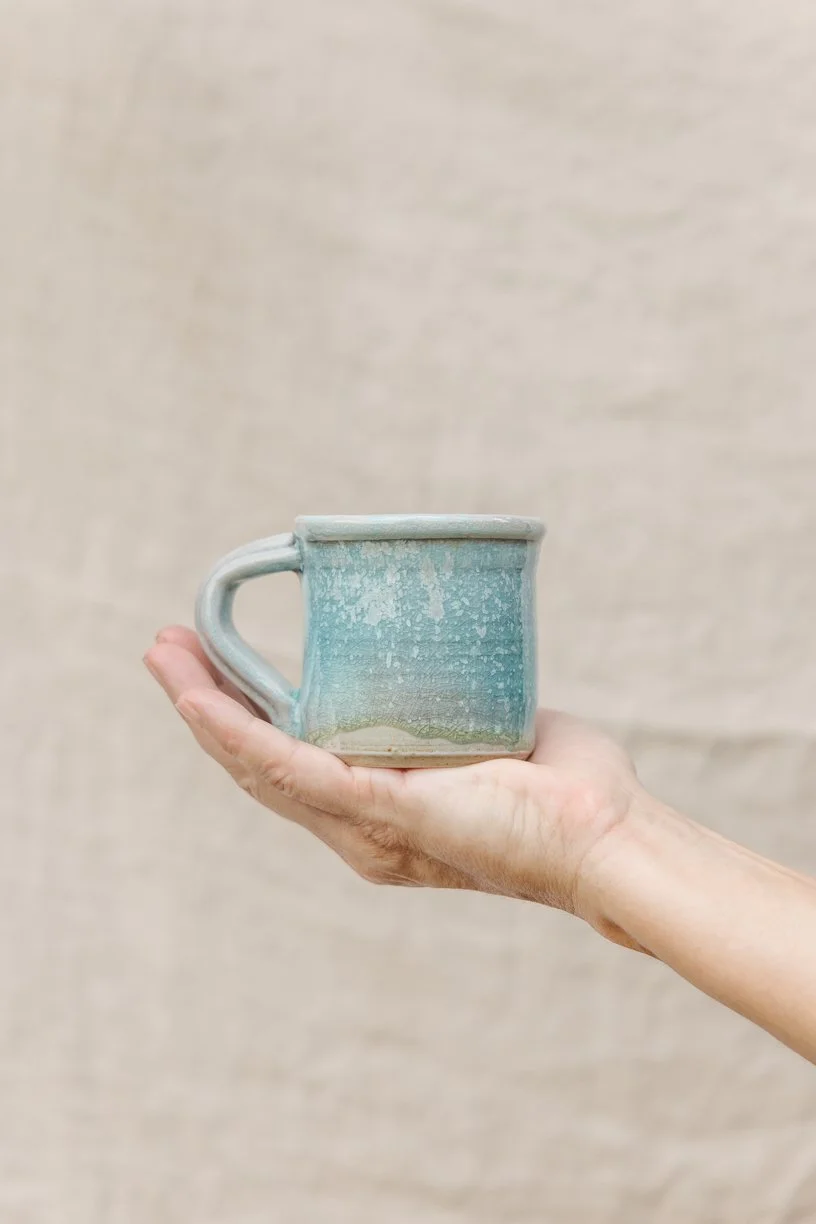
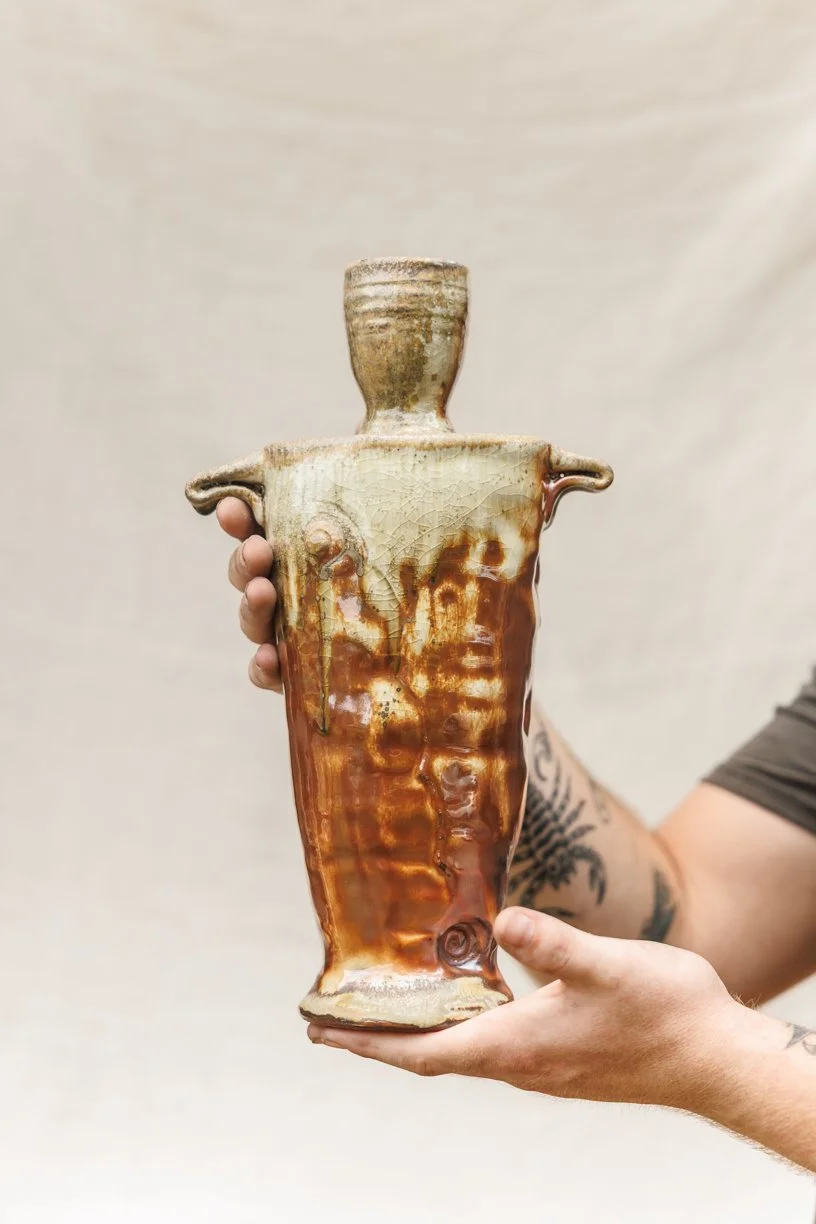
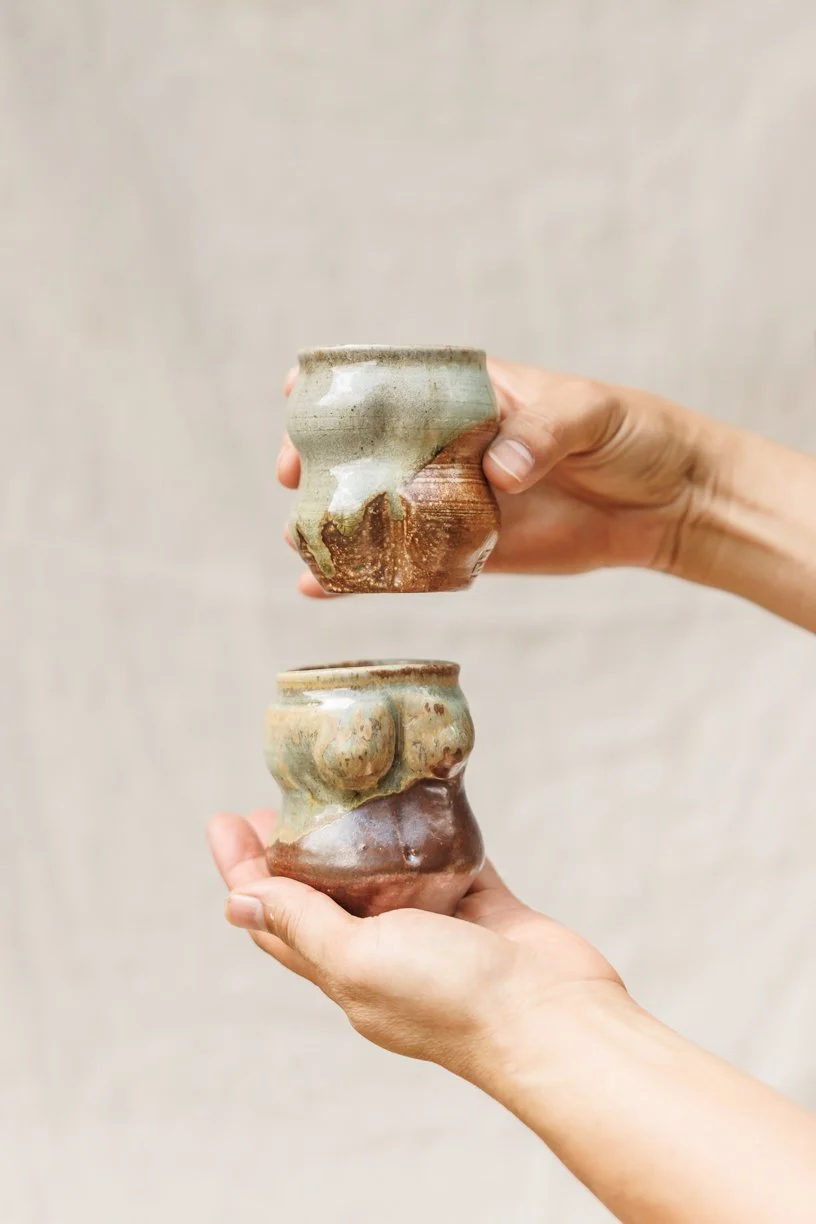
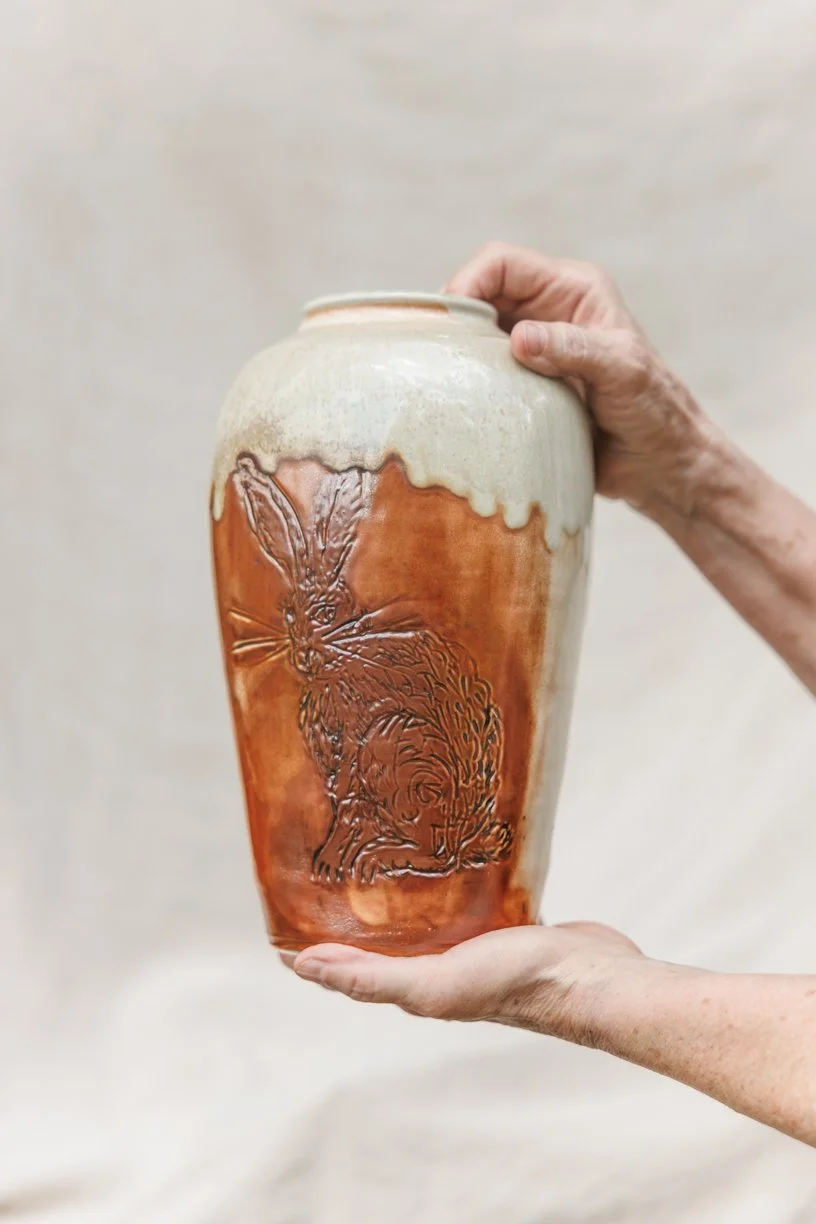
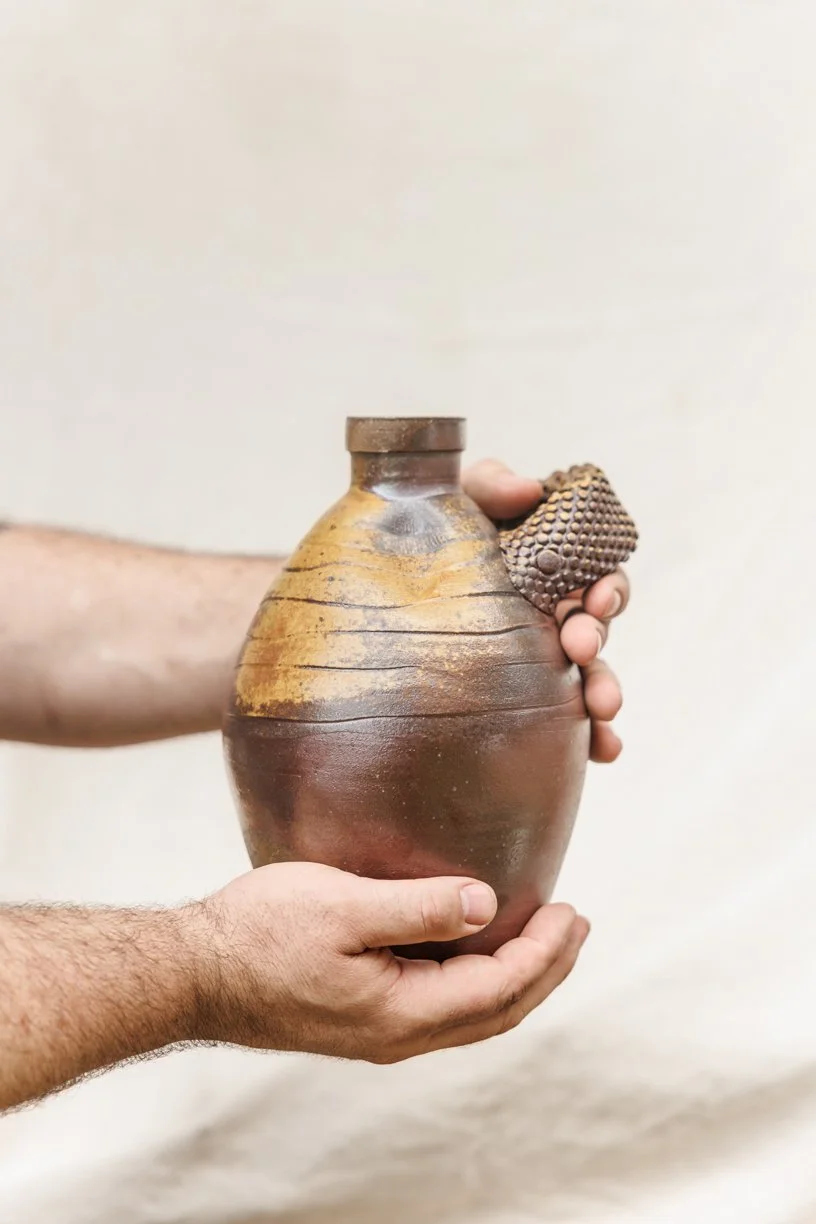
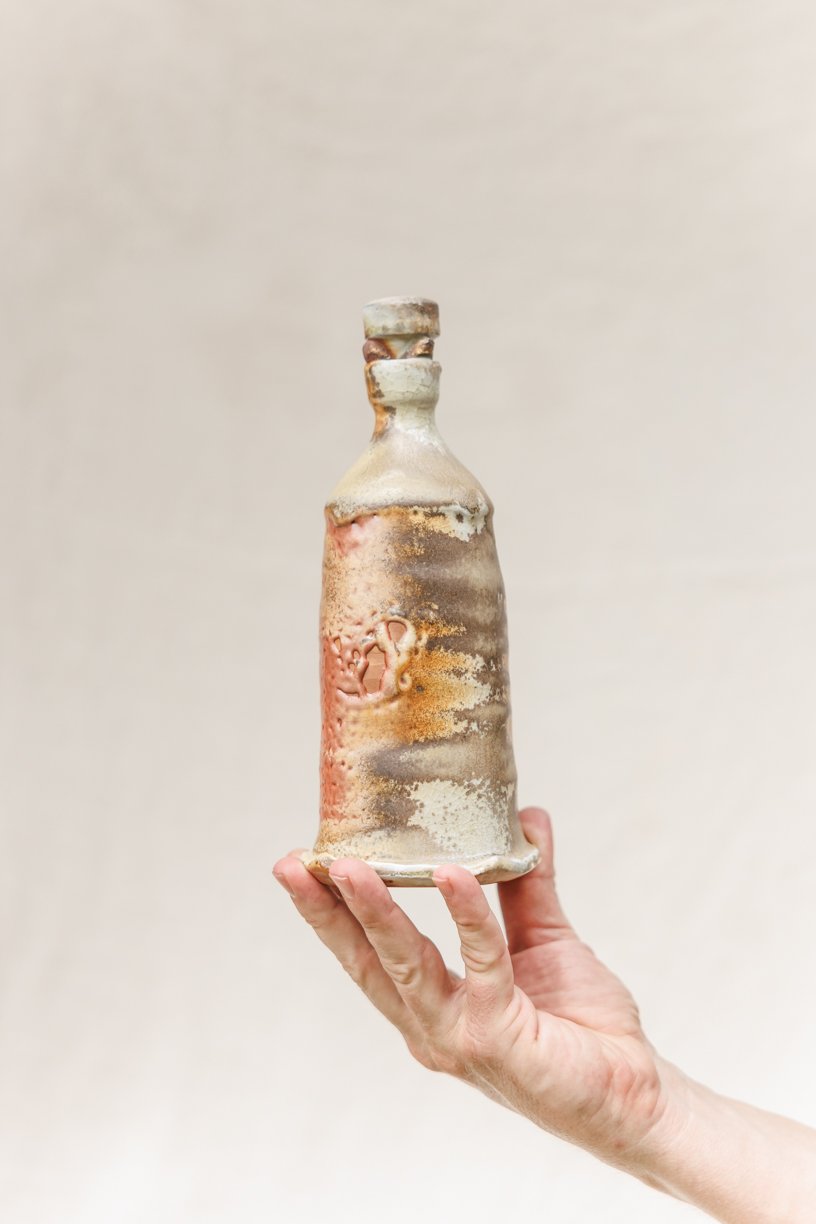
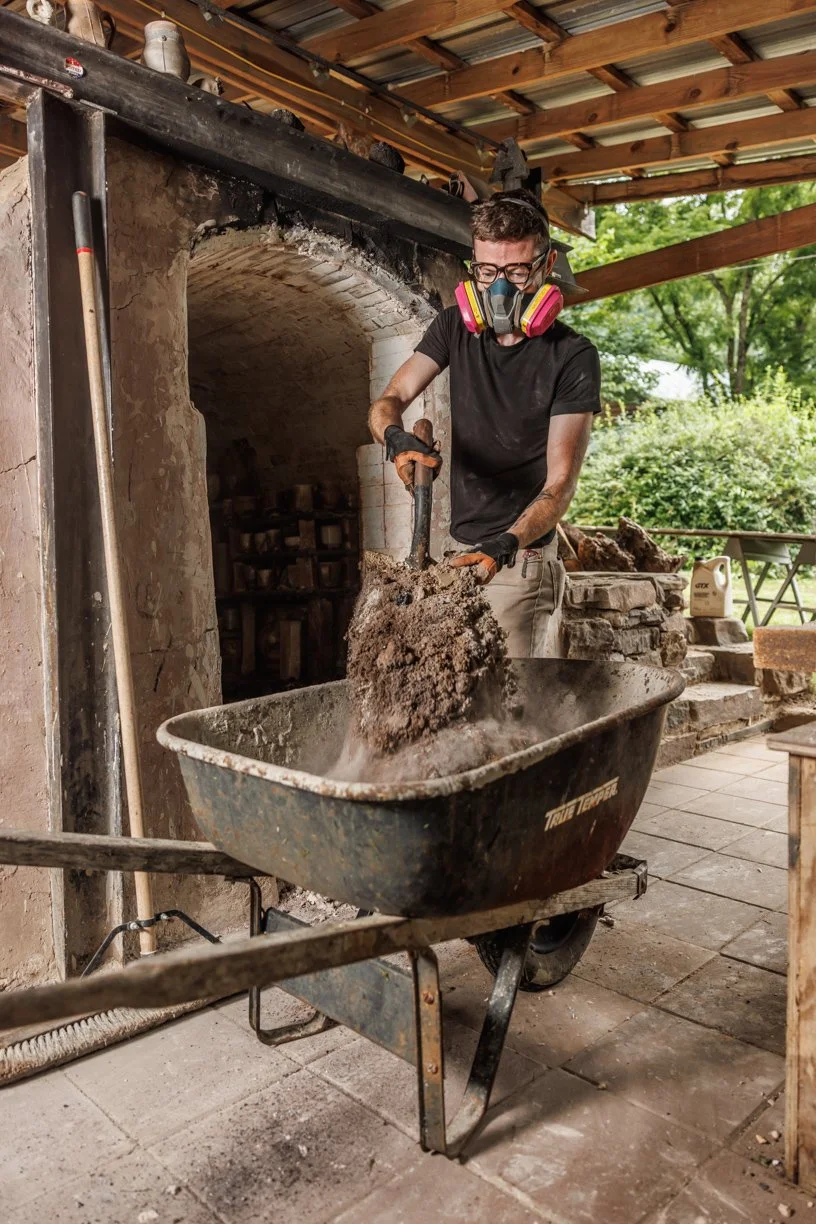
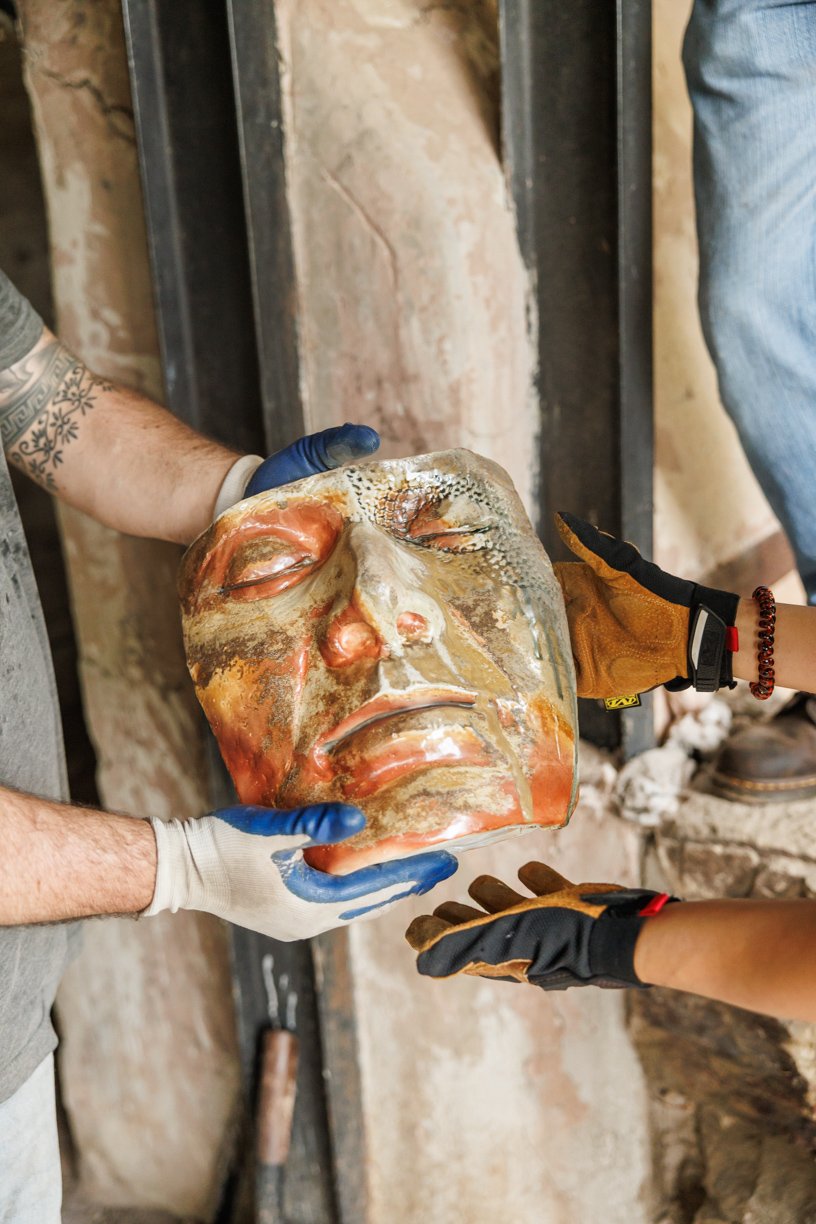
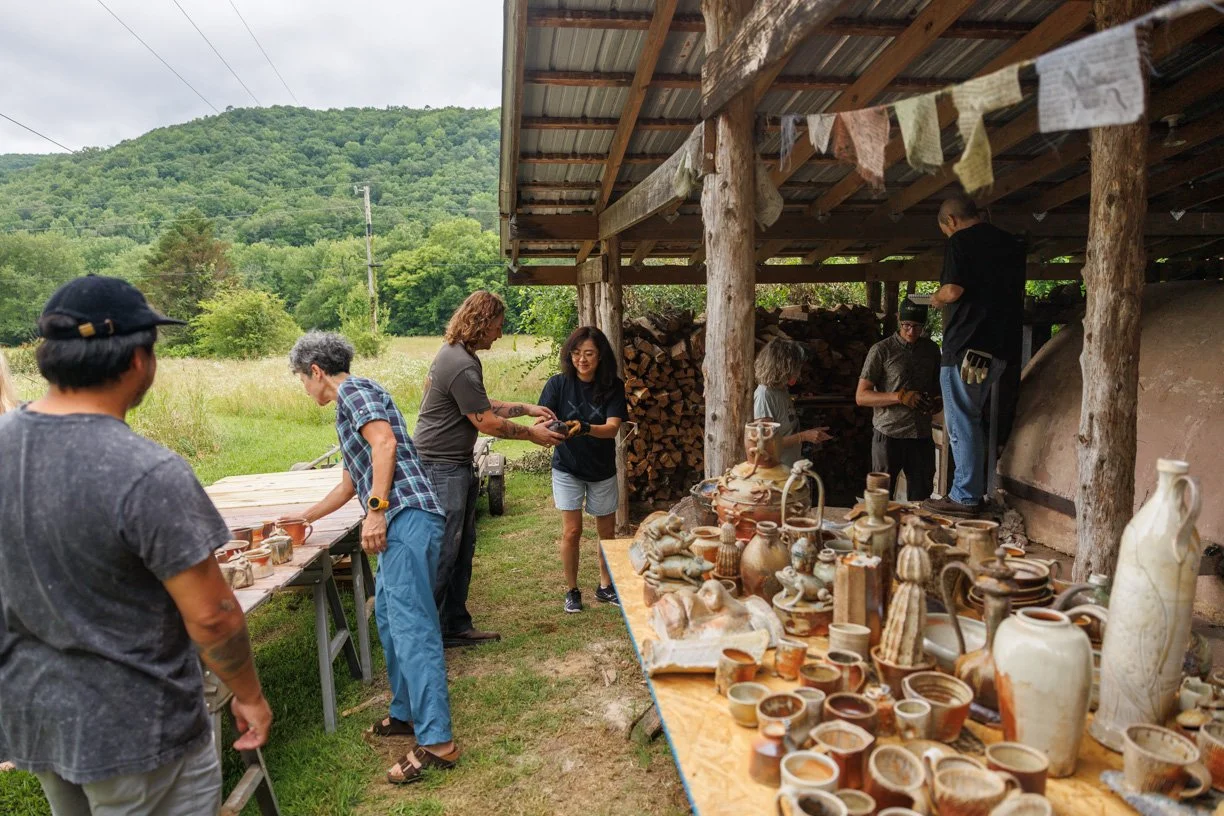
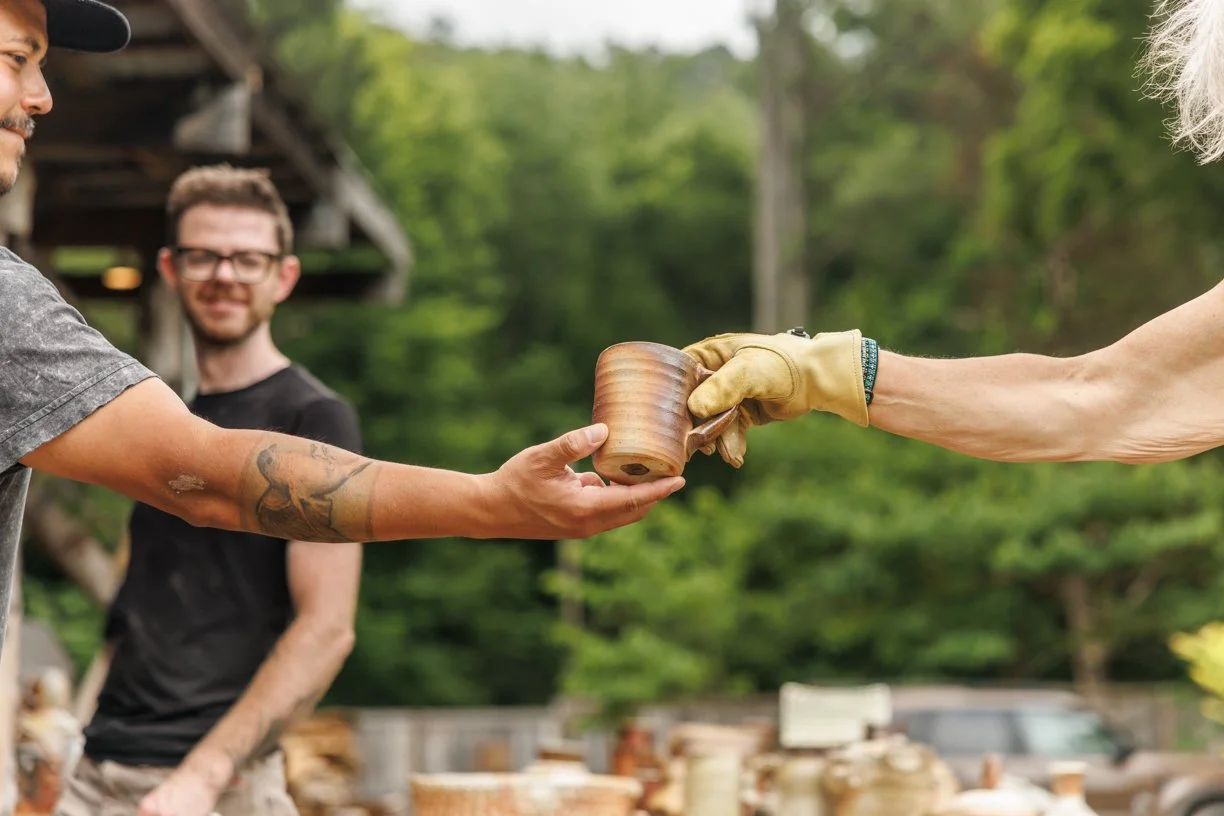
After the kiln has fully cooled, the potters return to the valley to unload. Forming an assembly line, they pass each piece toward sawhorse tables to be admired, packed away, and carried home.
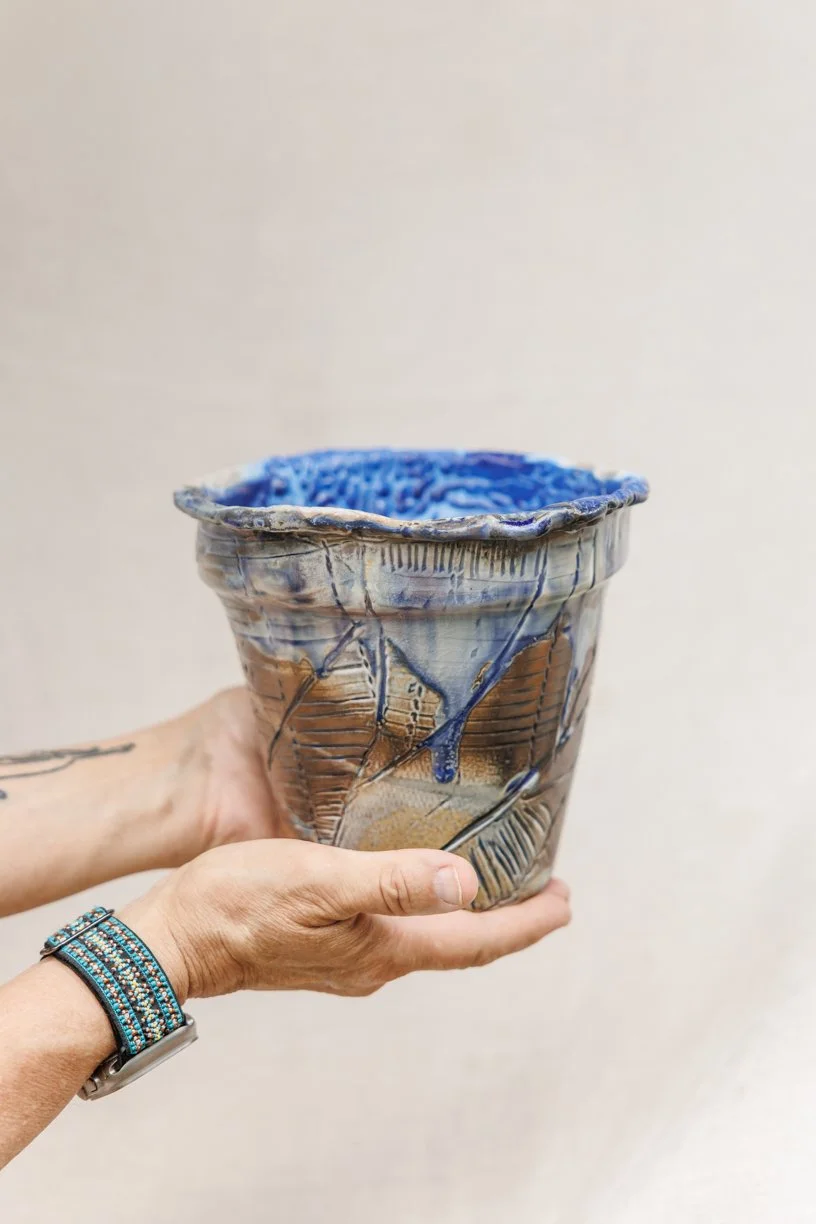
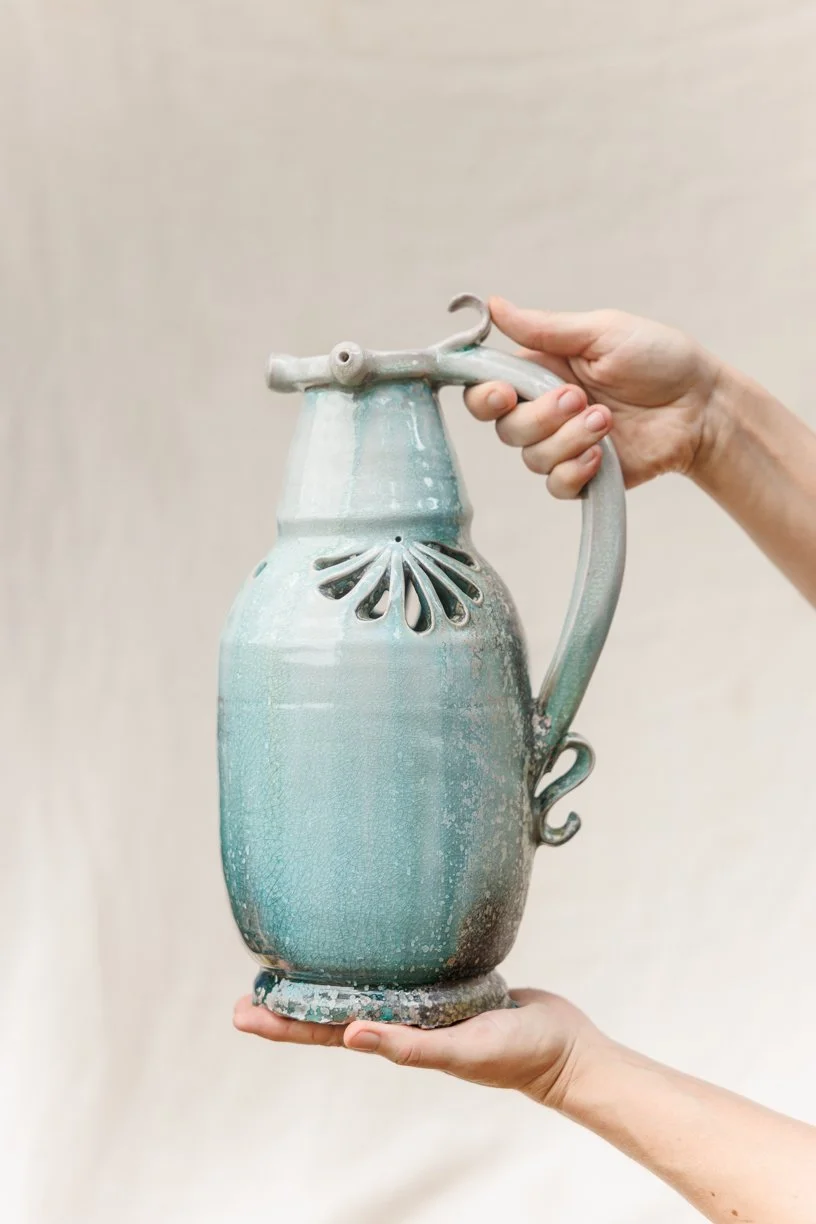
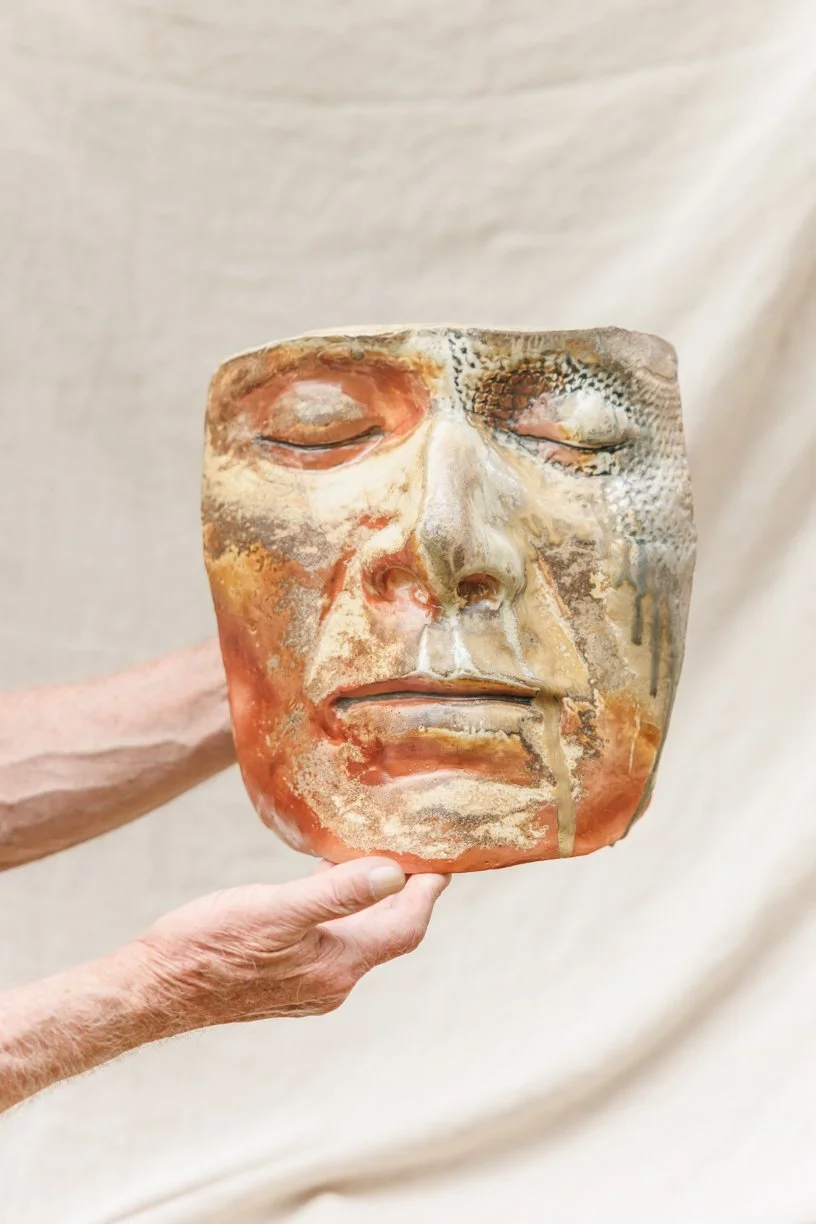
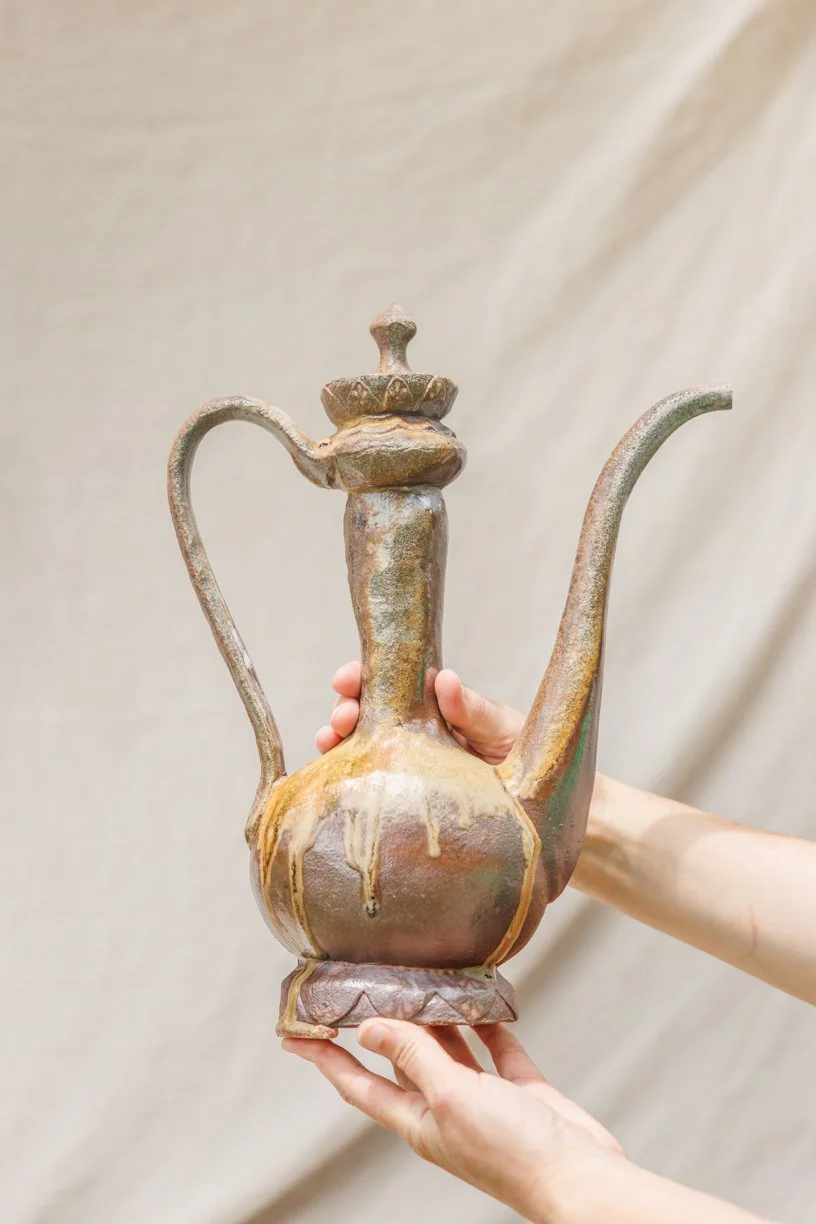
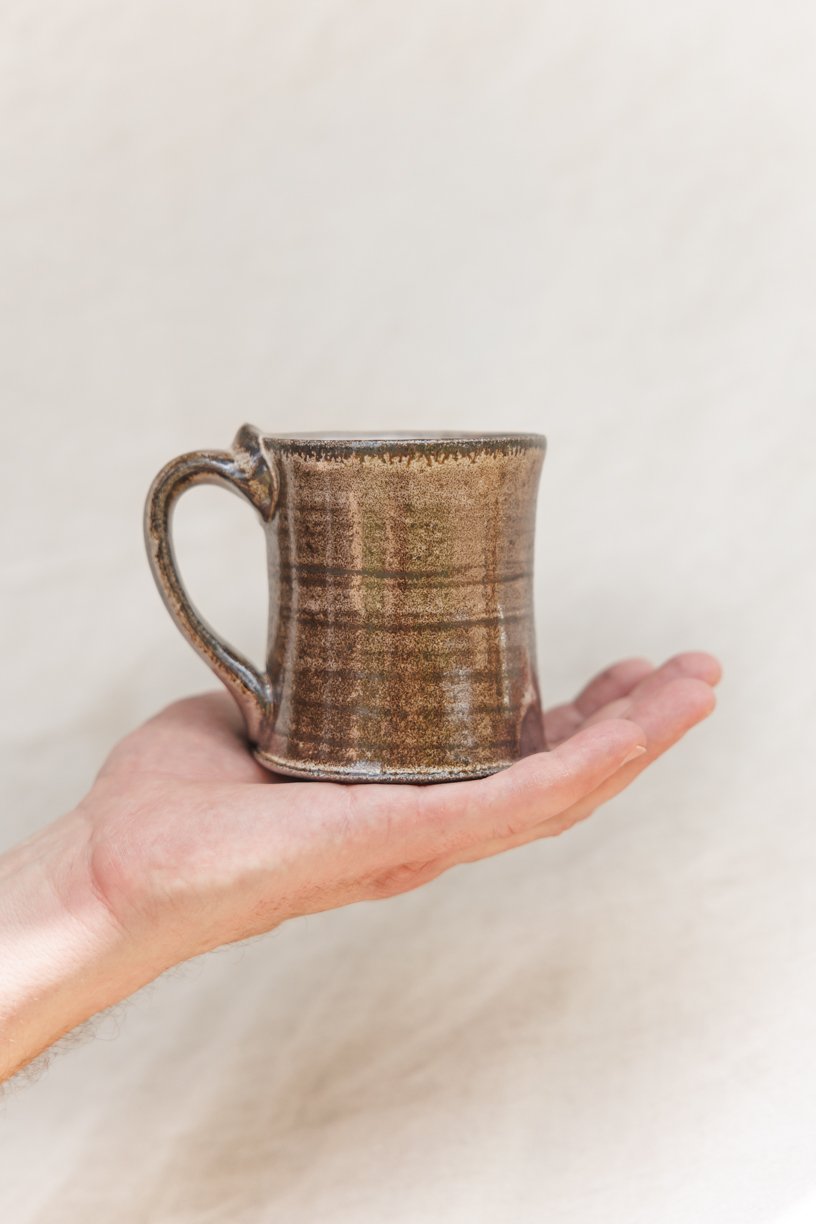
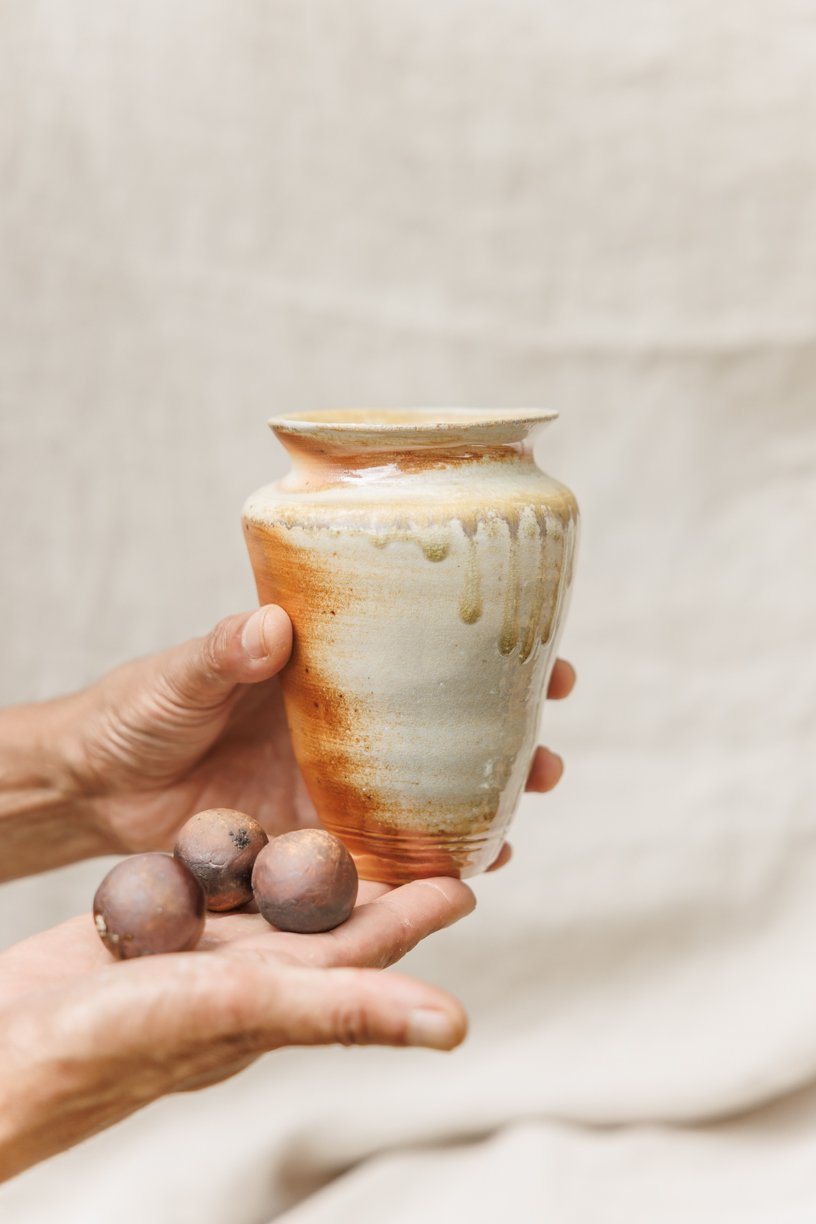
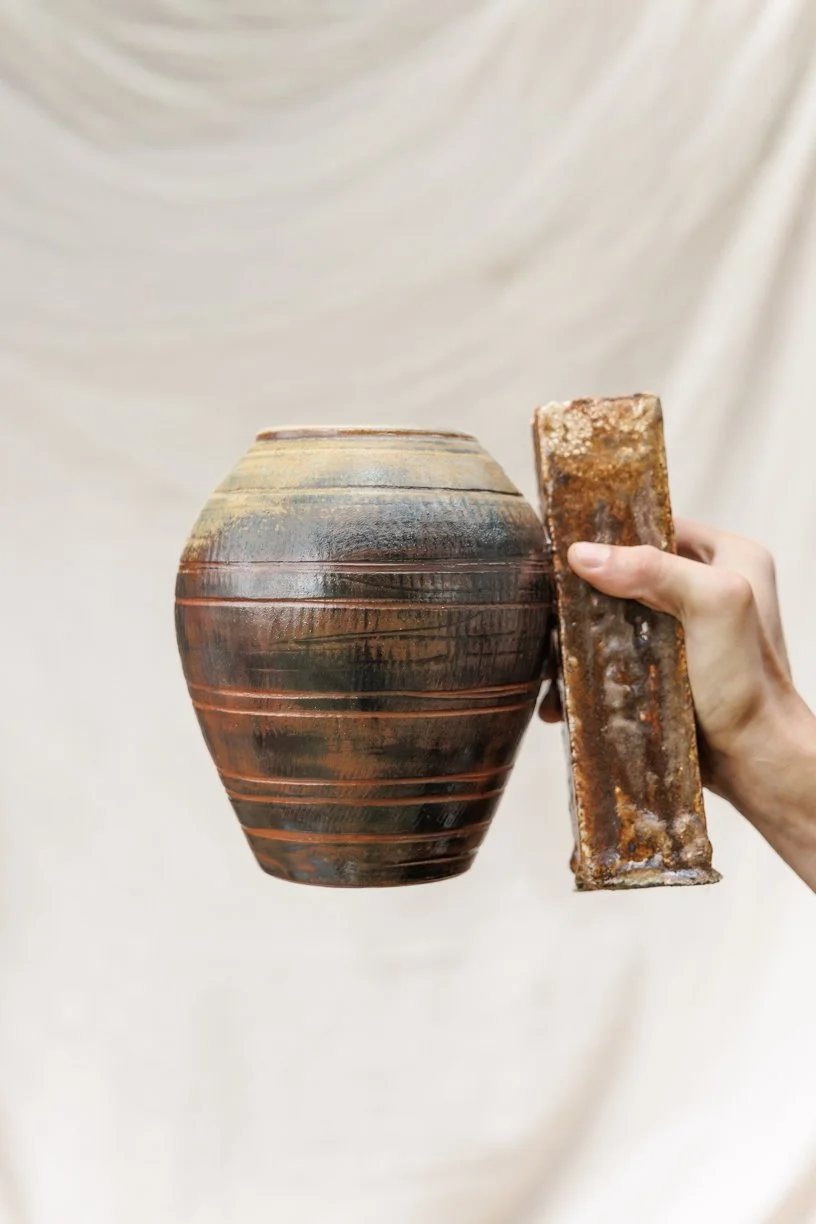
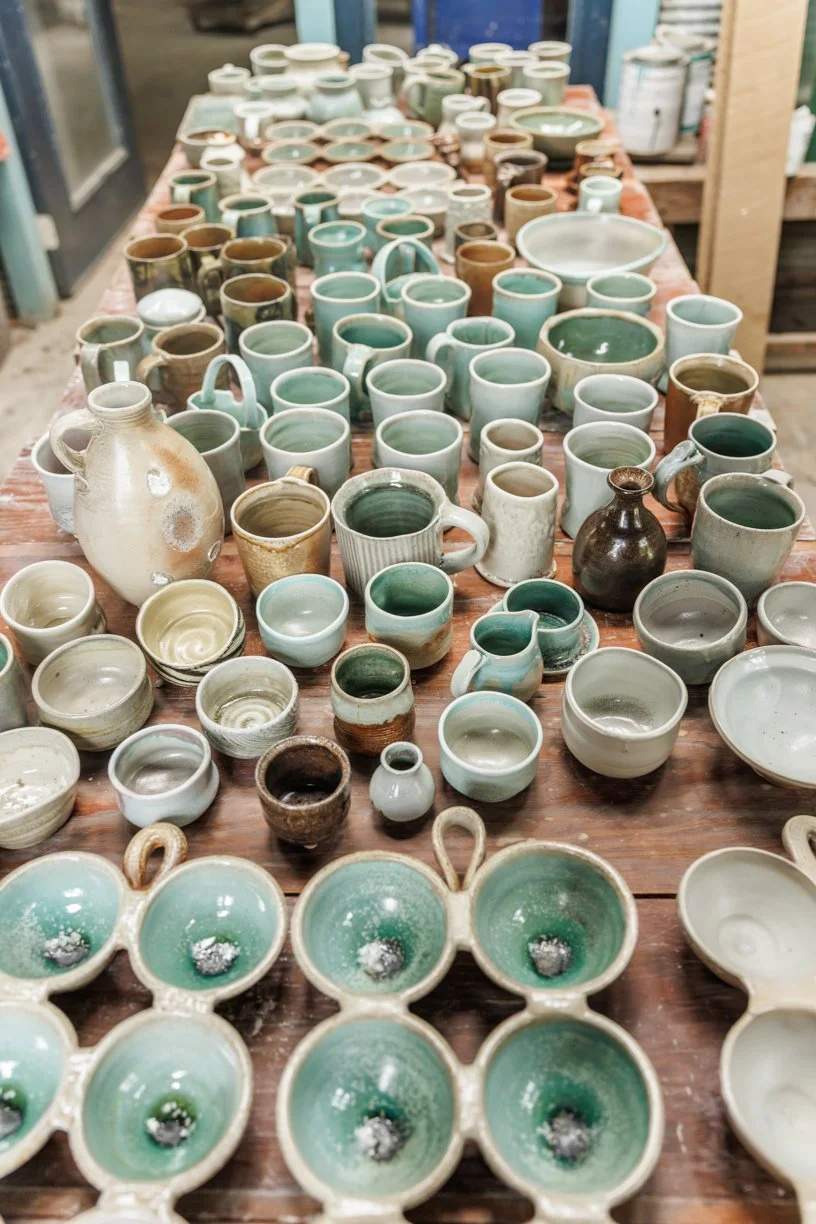
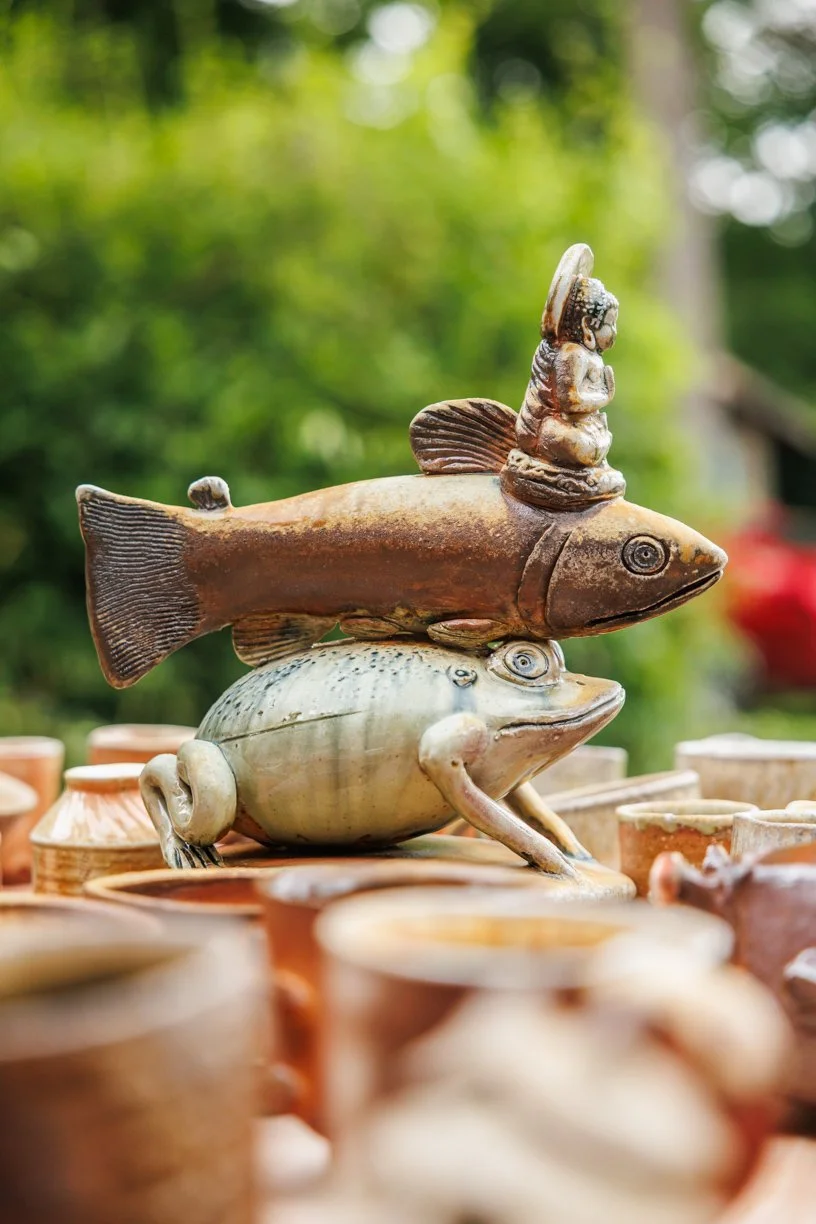
“What was once a relatively monochrome assemblage of ceramic pieces emerges from the fire as a wildly varied mosaic of a collection in hues of mossy green and vermillion and honey and hazelnut.” - Stephanie Smittle, September 2026 Arkansas Times
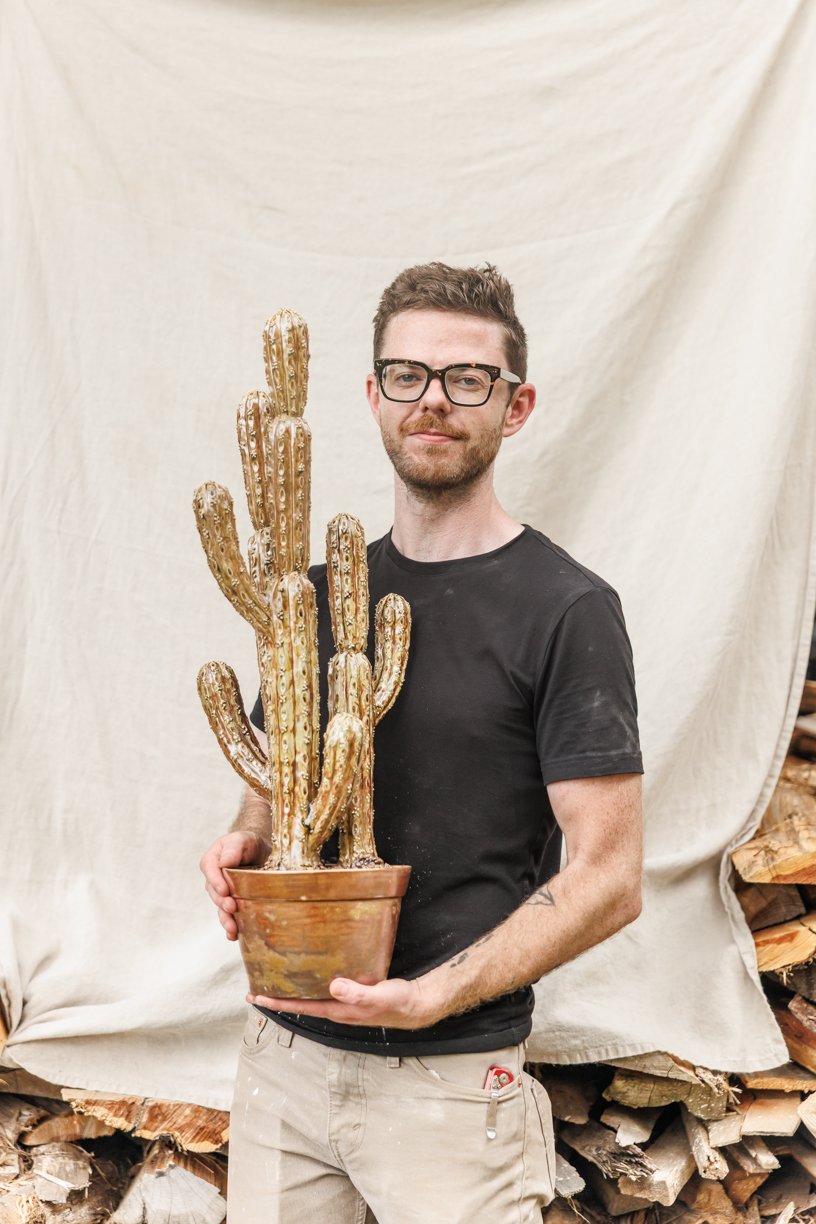
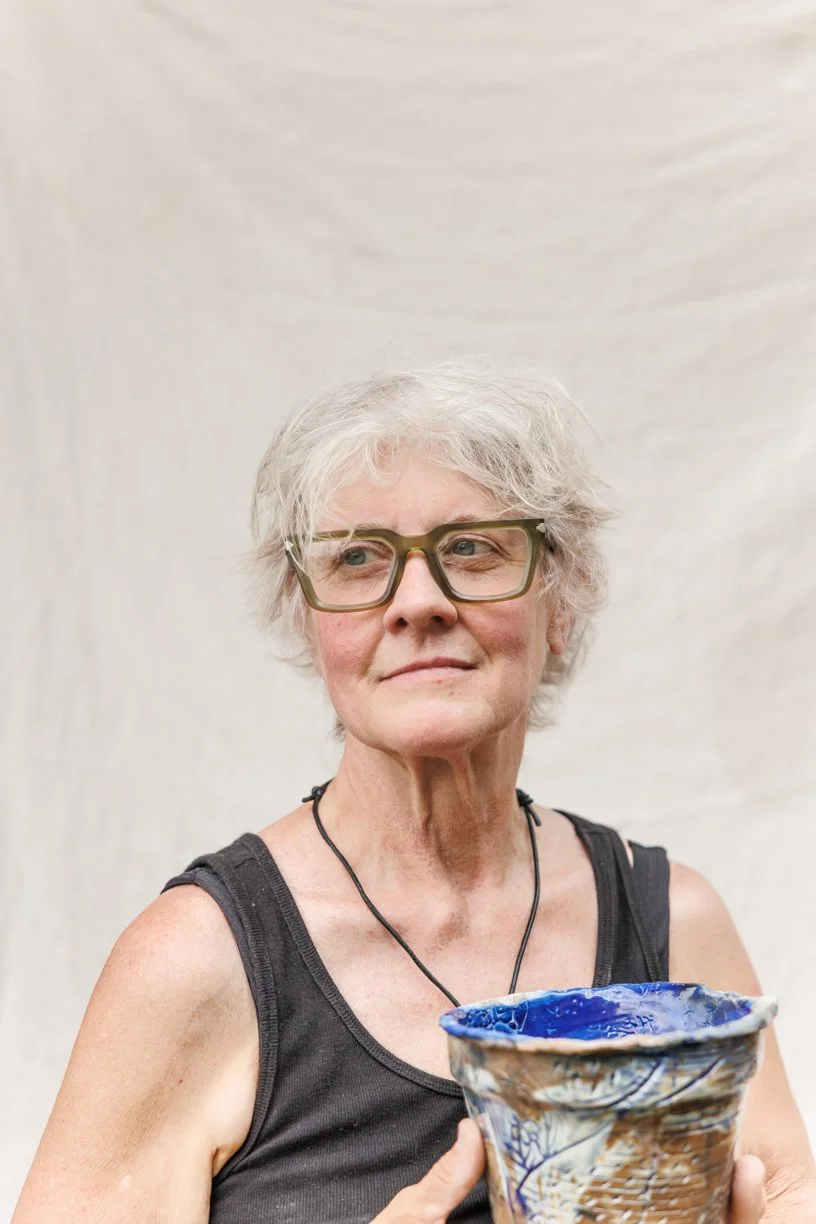
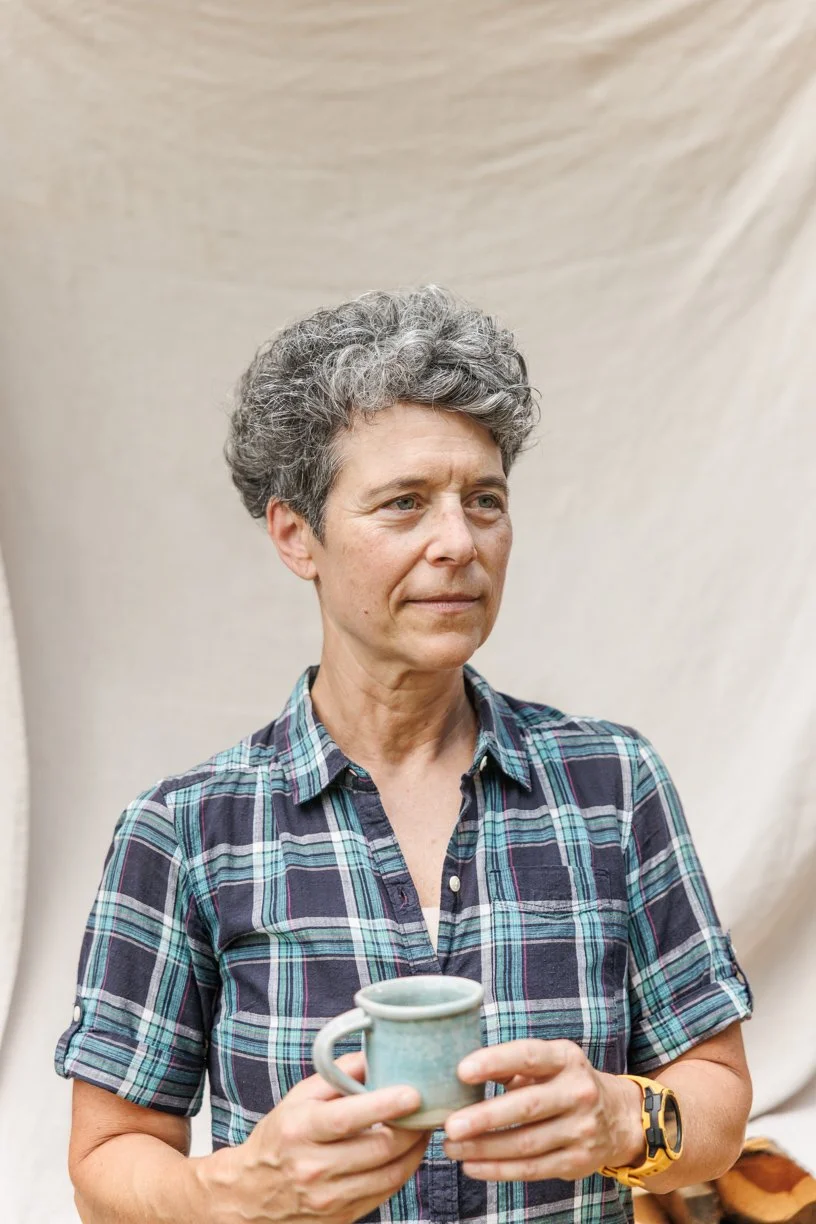
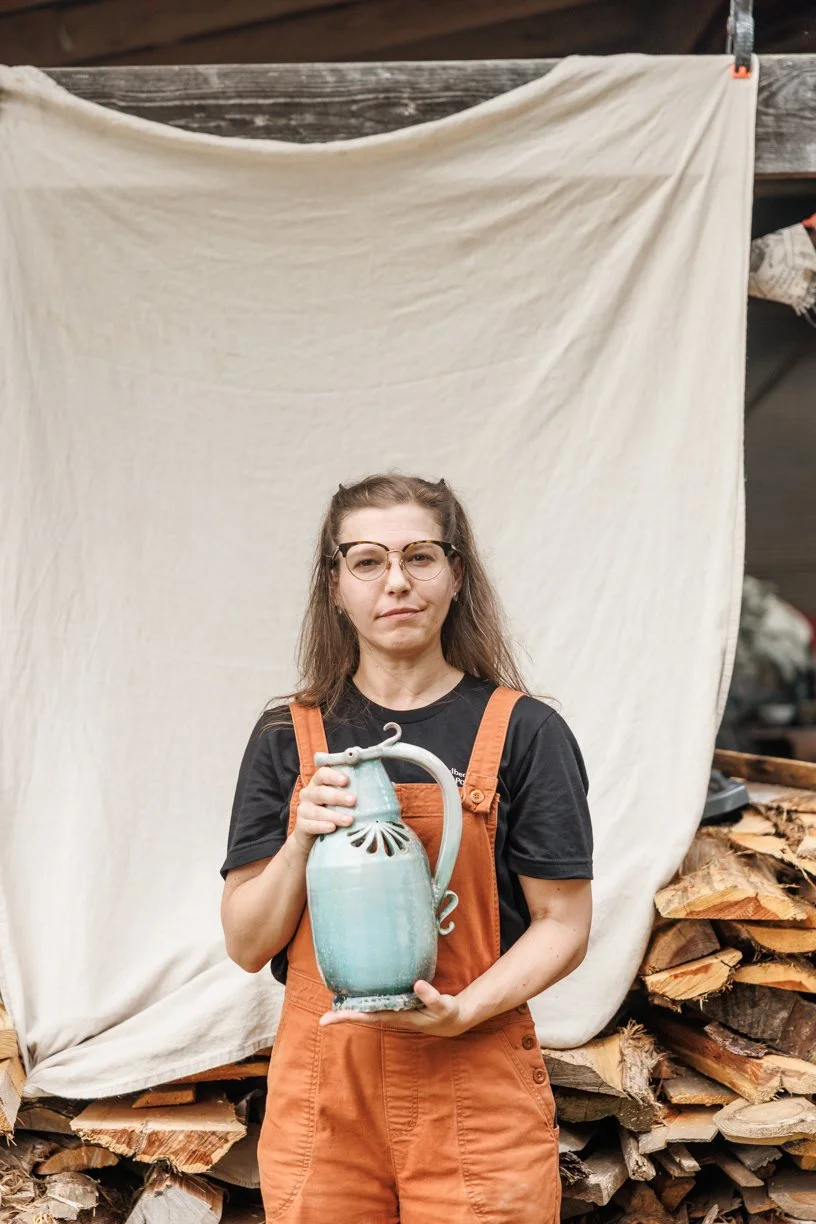
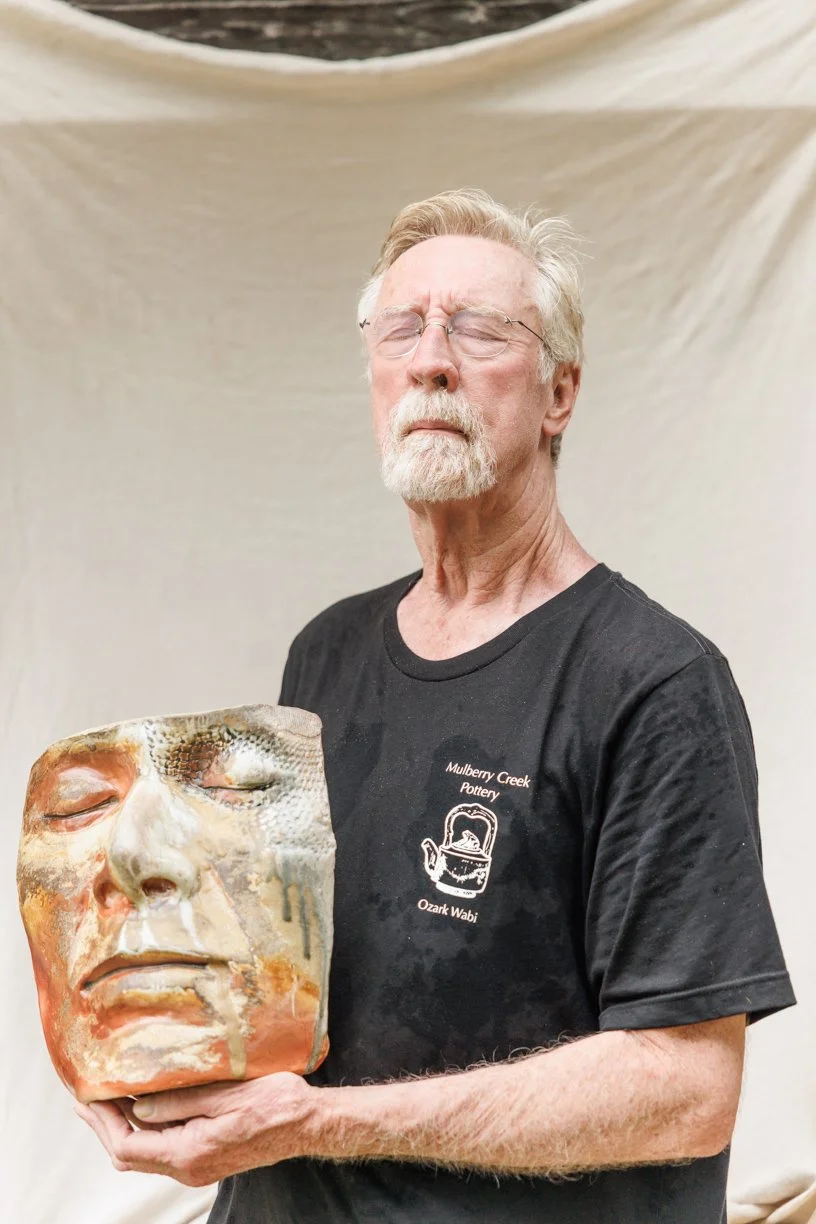
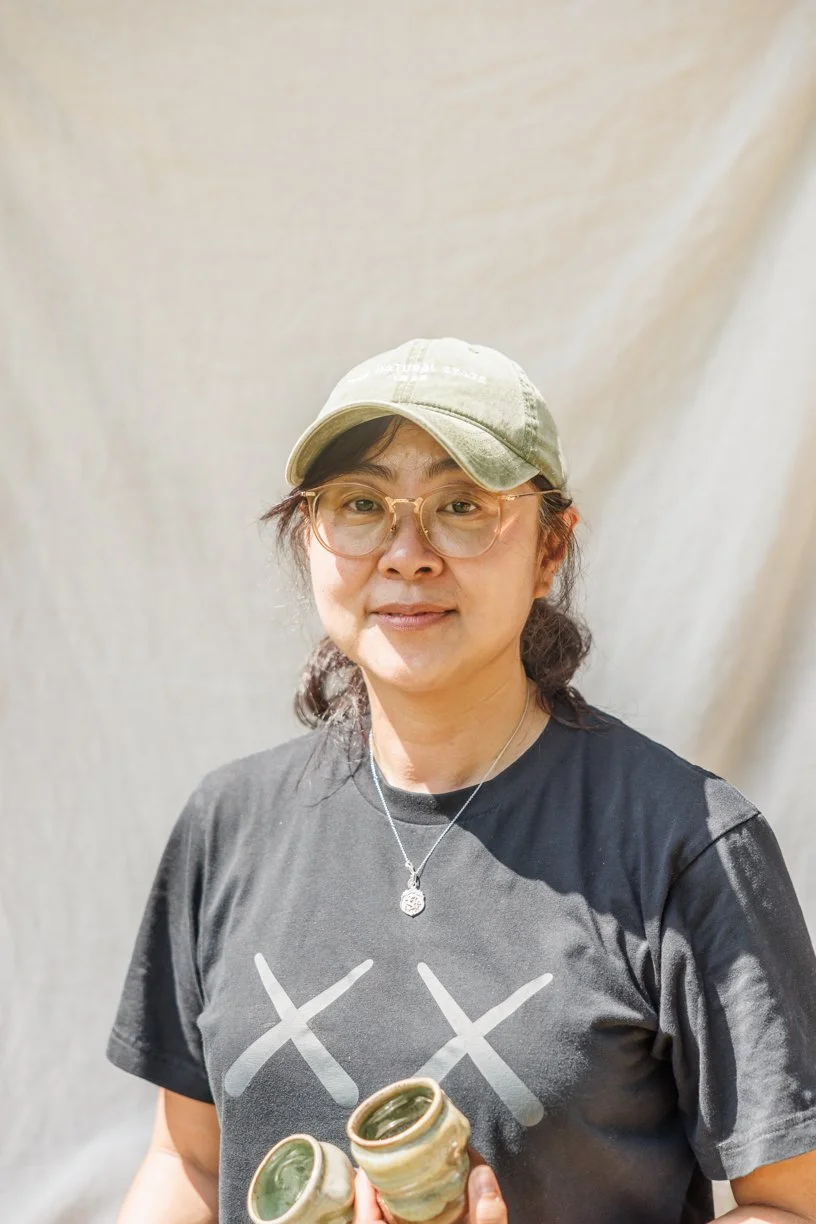
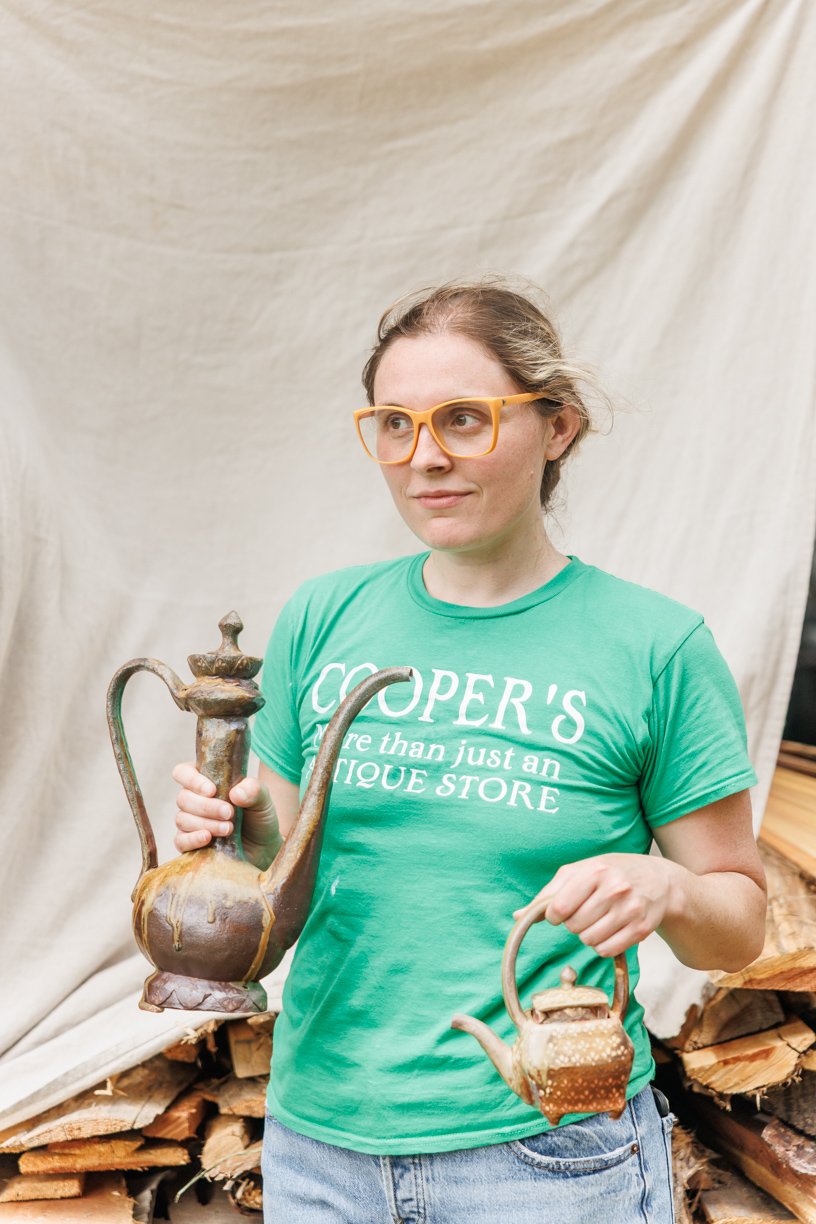
Portraits of the Artists
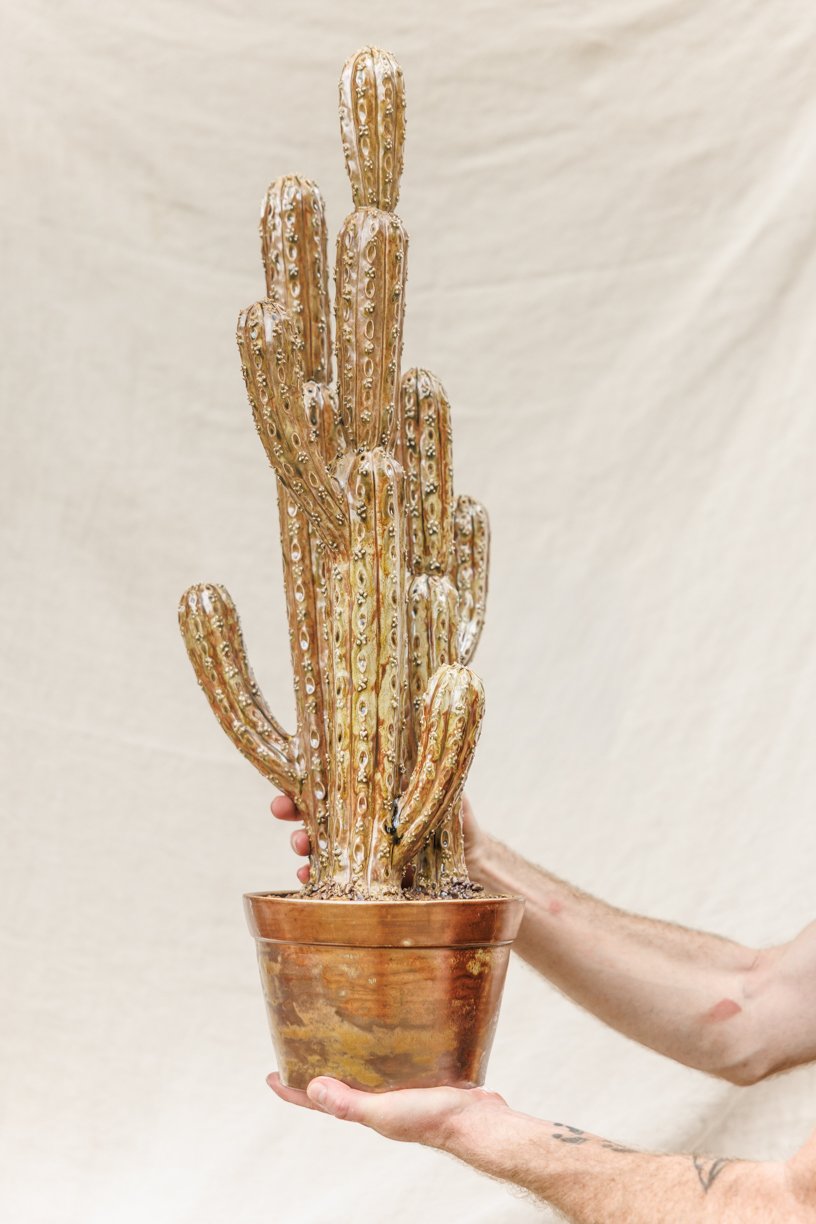
All images © Sara Reeves